



From Gympie to Germany: Sam Klein Seals Bundesliga Move With St. Pauli

Brisbane Roar confirmed that central midfielder Sam Klein has signed for German Bundesliga club FC St. Pauli, in a deal the A-League club describes as one of the most significant outbound transfers in its history.


The 22-year-old Gympie athlete, who also holds Norwegian citizenship, will join the Hamburg-based club ahead of the 2026-27 Bundesliga season, moving into one of world football’s top five leagues after two seasons as a first-team regular at Brisbane Roar.

The transfer includes a significant fee and a sell-on agreement that gives the Roar a share of any future transfer involving Klein, meaning Brisbane continues to benefit financially as his career develops.

A road that was never going to be straight

Klein’s journey to the Bundesliga took him through the Football Queensland pathway system before he was scouted into the Brisbane Roar Academy, where he first arrived in January 2021 and spent his early years developing through the under-21s.

Restless for professional senior football, he left the club to try his luck in Scandinavia, seeking the kind of regular game time that can make or break a young career. It did not deliver the breakthrough he needed.

He returned to Australia and signed with Gold Coast Knights in the NPL Queensland competition, continuing to develop his game in the domestic second tier. Brisbane Roar had kept a close eye on his progress, and in September 2024 they brought him back. This time the path ran in the right direction.

Klein made 19 appearances and scored five goals in the 2024-25 A-League Men’s season, enough to cement a starting position heading into 2025-26. This season he delivered 25 appearances, four goals and an assist, playing every minute of the Roar’s last 17 matches before missing just one game through concussion.

In all competitions, he made 46 appearances for Brisbane, registering nine goals and one assist. It was the consistency of that output that caught St. Pauli’s attention.

A midfield profile built for St. Pauli

St. Pauli head coach Alexander Blessin was clear about what attracted the club to Klein. “Sam boasts exciting skills that enable him to occupy a number of roles in central midfield,” Blessin said. “He combines good anticipation and vision with accurate passing, and also looks to get on the scoresheet himself. He’s aggressive in defence and doesn’t hold back in his efforts to win back possession.”

At 1.88 metres, Klein is also a significant aerial presence, adding a dimension to St. Pauli’s midfield options that their director of sport Andreas Bornemann highlighted as a key factor in the club’s decision to sign him.
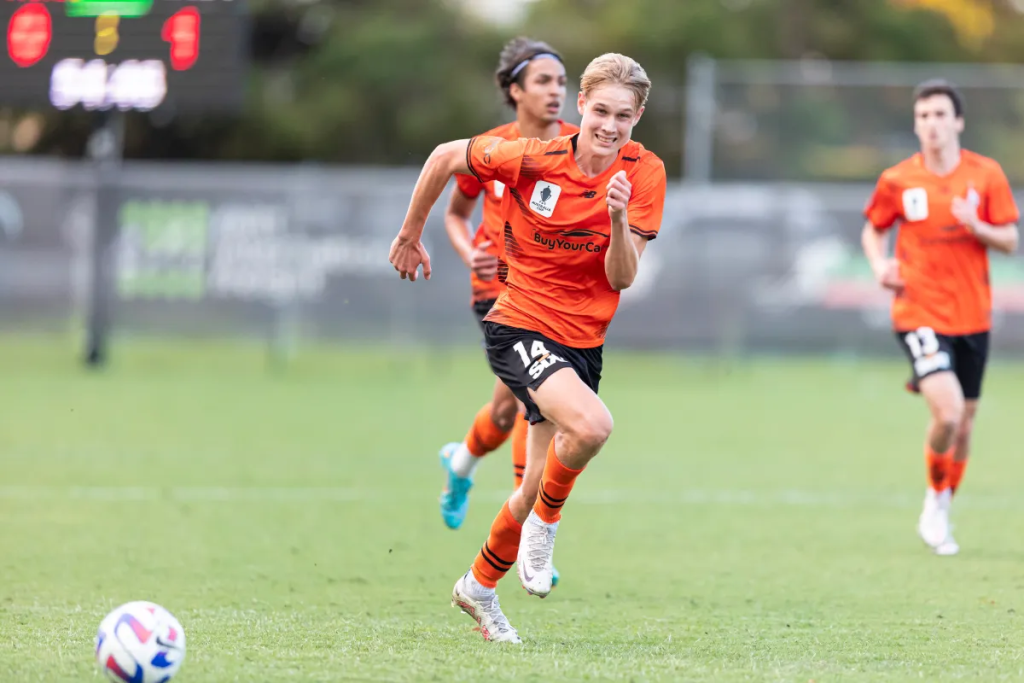
Photo Credit: Brisbane Roar

Klein arrives at St. Pauli to link up with two fellow Australians, Socceroos captain Jackson Irvine and midfielder Connor Metcalfe, giving Hamburg a remarkably strong Australian contingent. He has also represented Australia at the youth international level, earning call-ups to the Under-20 setup and debuting for the Under-23 side. 

Whether Klein debuts in the Bundesliga or the second division will depend on how St. Pauli resolve their current season. At the time of the announcement, the Hamburg club sat one point clear of the Bundesliga relegation zone with three rounds remaining, meaning Klein arrives into a club with high stakes football still to be decided.

A club that is becoming a genuine export pathway

Klein’s transfer follows a productive season for Brisbane Roar in the international market. Lucas Herrington moved to Colorado Rapids in Major League Soccer, while on the women’s side, Leia Varley signed for German second-division side 1. FC Nürnberg. Together with Klein’s move, it signals a Roar capable of developing and exporting talent at multiple levels and to multiple markets.

Brisbane Roar Chief Operating Officer Zac Anderson described the deal as evidence of the club’s broader purpose. “Sam is a Queenslander who has always supported the Roar, and that passion has shown through in his performances,” Anderson said.

Photo Credit: Brisbane Roar

“Nothing has been given to Sam, he has had to work hard for every professional opportunity, and we couldn’t be happier to see one of our own progress to a top five league globally. This deal is important, as it’s another piece of evidence that Brisbane Roar is a genuine springboard for young Queensland and Australian talent to reach the top of the world game.”

Klein’s mother, Francis, captured the family’s joy with equal clarity. “It’s been Sam’s dream to play professionally in Europe for as long as he’s been kicking a ball,” she said. “To see it, as a family, come to fruition is incredibly special.”

Klein himself was characteristically grounded. “To go from playing football in Gympie to running out for a club like FC St. Pauli is something I never imagined would happen,” he said. “I owe an enormous amount to Brisbane Roar, the coaches, the staff and the supporters who backed me from day one. The Roar is where I started and you’ll always hold a special place in my heart.”


Published 5-May-2026

Roar Rally Late to Seize Semi-Final Edge as Phoenix Left Chasing in Second Leg

Brisbane Roar flipped the script when it mattered most, riding a relentless second-half surge to secure a 2-1 win over Wellington Phoenix in the first leg of their 2026 A-League Women semi-final at Imperial Corp Stadium (aka Spencer Park).

For a brief moment, it looked like Wellington had landed the early blow that could define the tie. Inside two minutes, Grace Jale rose cleanly above the pack to power home a header from a corner, stunning the home crowd and handing the Phoenix a dream start.

The visitors nearly doubled down just as quickly. Makala Woods burst through with only the keeper to beat but rattled the post, before another aerial chance drifted wide. It was a sequence that would linger — a missed chance to put real daylight between the sides.

Brisbane steadied, then struck back in kind. From a set piece of their own, Momo Hayashi timed her run from deep and met the delivery with force, her header crashing into the net to level the contest. From there, the balance of the game began to tilt.

Roar turn the screws

The second half belonged to Brisbane.

Forced into an early reshuffle after a defensive injury, the Roar adapted on the fly and grew into the contest with increasing authority. Their pressure built steadily — wave after wave pushing Wellington deeper, forcing errors, and testing goalkeeper Vic Esson.

The numbers told the story. Brisbane finished with 18 shots, eight on target, dwarfing Wellington’s five attempts.

The breakthrough felt inevitable.

It came through persistence rather than polish. A scramble in the box wasn’t dealt with cleanly, the ball broke loose, and teenage striker Daisy Brown reacted quickest — snapping it into the net to give Brisbane the lead and ignite the home crowd.

From there, the Roar controlled territory and tempo, closing out the match with composure while continuing to threaten.

Phoenix show promise, but pay the price

Wellington’s start was sharp, aggressive and purposeful — exactly the kind of football they’ll need again in the return leg.

But after that early burst, they struggled to maintain control. Brisbane’s midfield pressure disrupted their rhythm, and the Phoenix found it difficult to create sustained attacking phases.

Defensively, they held on for long stretches under pressure, but the volume of Brisbane’s attacks eventually broke through.

Still, the tie remains finely poised.

All eyes on Porirua

A one-goal margin leaves everything to play for.

Wellington now returns home to Porirua Park, where a fast start could quickly swing momentum back in their favour. The belief is there — and so is the blueprint from those opening minutes in Brisbane.

For the Roar, the message is clear: don’t protect the lead — extend it. Their second-half dominance showed what they’re capable of when they dictate terms.

Ninety minutes down. Ninety to go.

And with a Grand Final spot on the line, this semi-final is far from settled.

Published 3-May-2026

Reds Find Their Nerve Late to Hold Off Brumbies in Suncorp Arm Wrestle

The Queensland Reds had to earn this one the hard way — and that’s exactly why it matters.


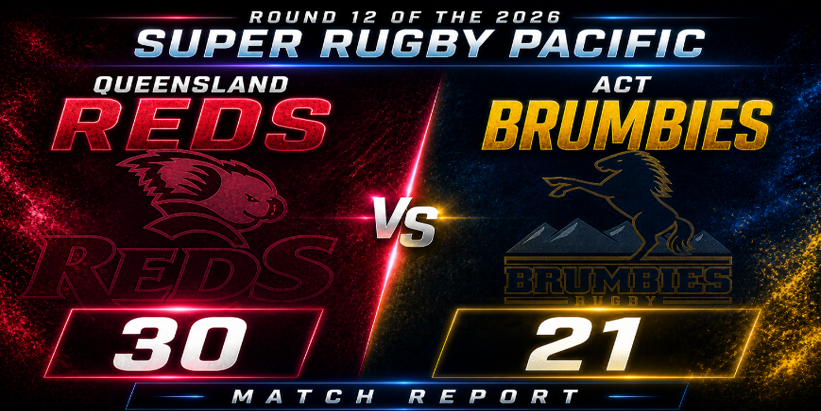
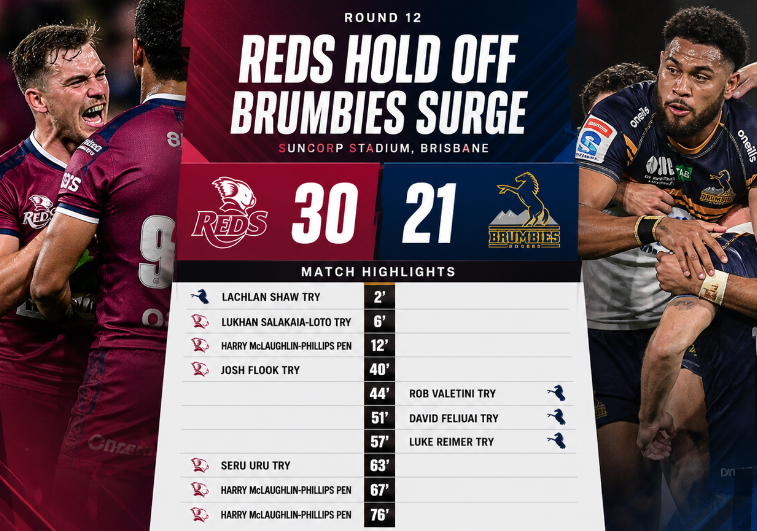
In a match that swung hard both ways, the Reds absorbed a second-half surge from the ACT Brumbies, reset through Seru Uru, and closed out a 30–21 win at Suncorp Stadium in Round 12 of the 2026 Super Rugby Pacific season — a result that lifts them into the top four and completes a rare season derby double.

Early Punches, Then the Grind

The Brumbies struck first through Lachlan Shaw, capitalising on quick tap pressure close to the line.

Queensland’s response was immediate and structured. Lukhan Salakaia-Loto powered over to level it, and the Reds began to build through territory and breakdown pressure rather than tempo. Harry McLaughlin-Phillips nudged them ahead with a penalty before Josh Flook chased down a Kalani Thomas grubber on the stroke of half-time — a moment that stretched the margin and shifted pressure firmly onto the visitors.

From there, the game tightened. Field position became harder to win, and both sides were forced into slower, more physical phases.

McReight Sets the Terms

Fraser McReight controlled the middle of the contest.

His work over the ball repeatedly stalled the Brumbies’ attack, forcing turnovers and disrupting any sustained phase play. It allowed the Reds to dictate territory without needing expansive attack — building pressure through repeat entries and penalties rather than line breaks.

That approach was deliberate. And against this opponent, it was decisive.

Brumbies Find Their Window

The contest flipped quickly after the break.

A spilled restart handed momentum back to the Brumbies, and they took it. Rob Valetini crashed over, David Feliuai followed after breaking the line, and suddenly the visitors had both the lead and control of the tempo.

For a stretch, the Reds were on the back foot — losing territory, absorbing phases, and chasing the game.

It was the Brumbies’ best period. They couldn’t extend it.

Uru Response, Composure Restored

The reset came through pressure, not panic.

After forcing their way back into the Brumbies’ half, the Reds earned a penalty and went quickly. Seru Uru finished the sequence, driving over to reclaim the lead and halt the momentum.

From there, the approach shifted again. Kick long. Play in the right areas. Take the points when offered.

McLaughlin-Phillips’ third penalty extended the buffer, and with it, control of the game.

Closed Out the Right Way

The final quarter was managed with clarity.

Queensland exited cleanly, lifted their line speed, and forced the Brumbies into lateral attack and errors. A missed long-range penalty attempt summed up the visitors’ night — close, but without the control to finish.

The Reds didn’t chase the game late. They dictated where it was played and how it ended.

A Result That Shifts the Season

This was more than a win — it was movement on the ladder.

The Reds climb into the top four and edge past the Crusaders, while also leapfrogging the Brumbies — a side that has now dropped three straight and is slipping out of the top tier with four rounds to play.

Just as telling was how Queensland got there.

A side that has often backed itself to chase tries instead took the points when they mattered — a tactical shift that proved decisive in a nine-point game.

They didn’t control every passage. But when momentum turned, they responded — and when the game needed to be closed, they had the discipline to do it.

That’s the difference between competing and contending.


Published 2-May-2026

Planning Clash Grows as Milton Neighbours Challenge High-Rise Proposal


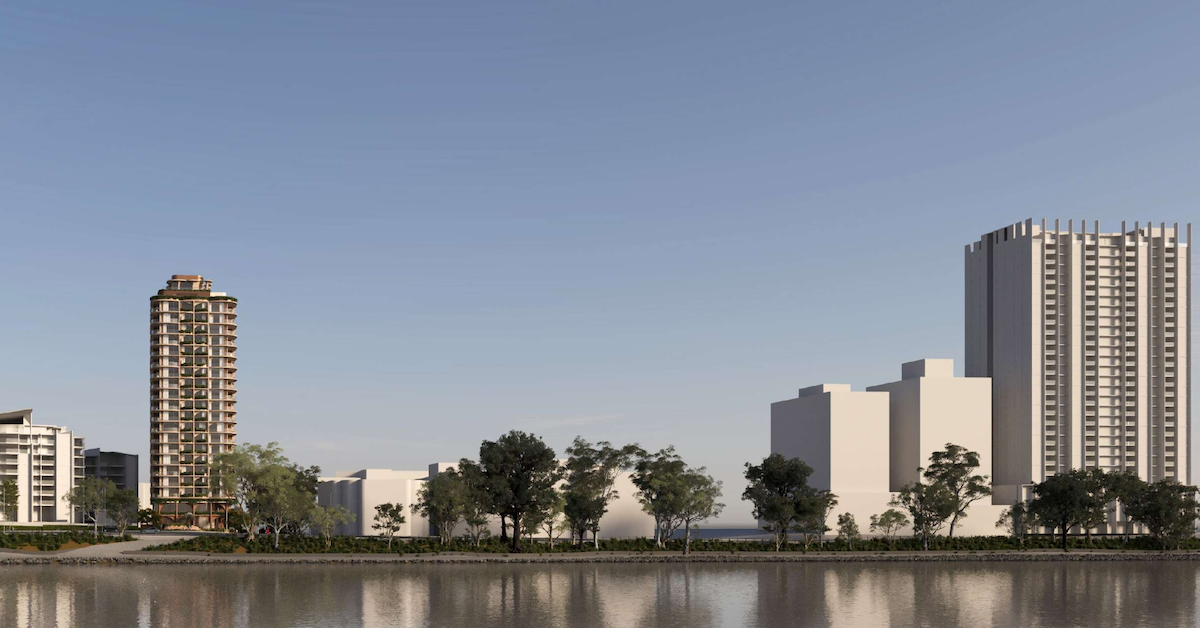
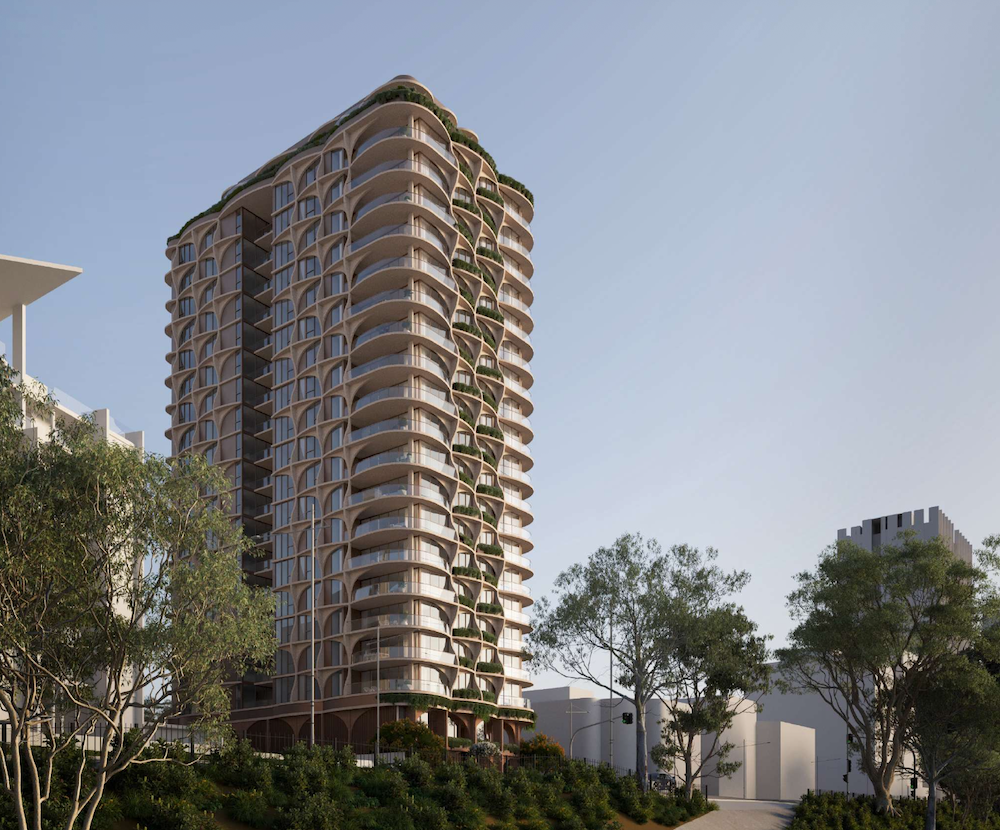
A 23-storey apartment tower proposed near Milton is now facing objections that claim the project may not meet Brisbane’s own planning rules, shifting the debate from building height to whether the development should be approved at all.


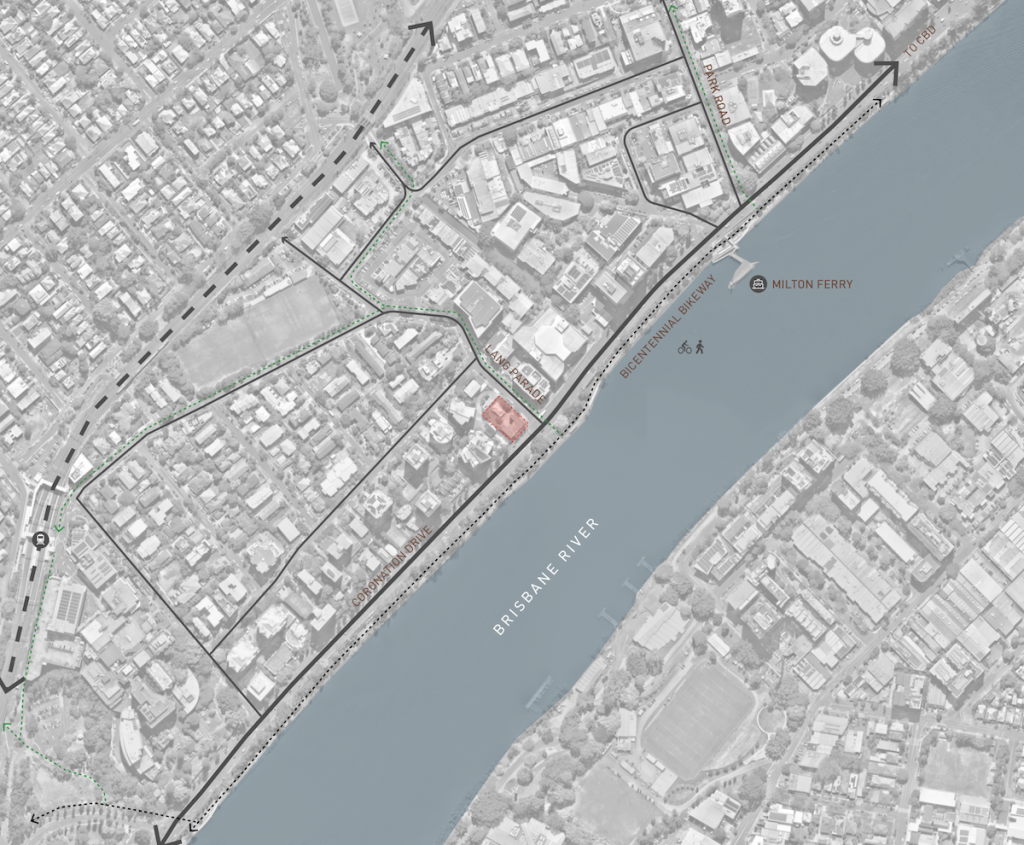
The proposal, known as “Bloom”, has been lodged as Development Application A006954430 for land at 355 Coronation Drive and 6 Lang Parade in Auchenflower, directly bordering Milton’s riverfront corridor.

A prominent riverfront site with big ambitions

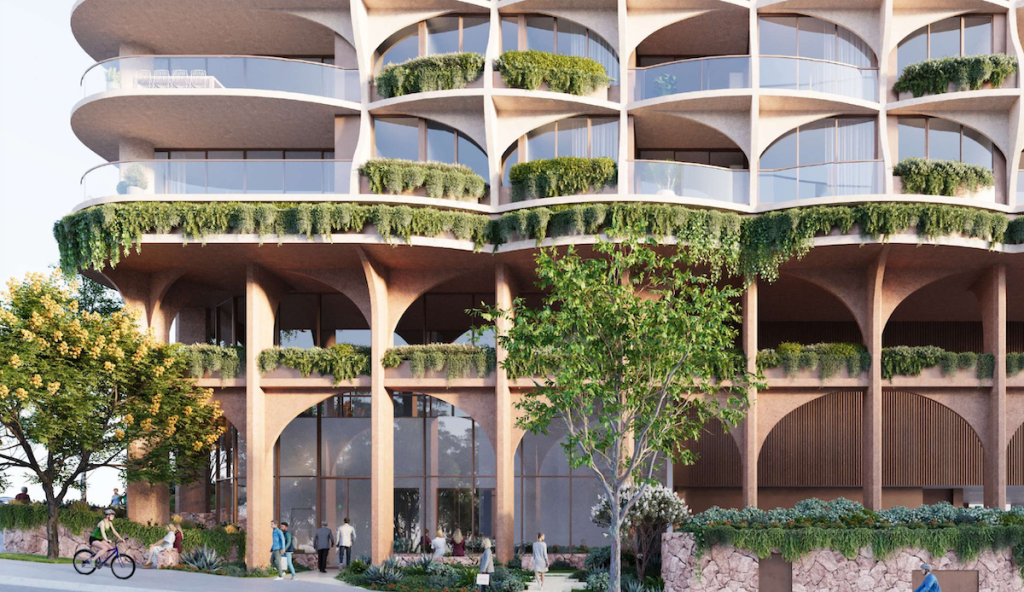
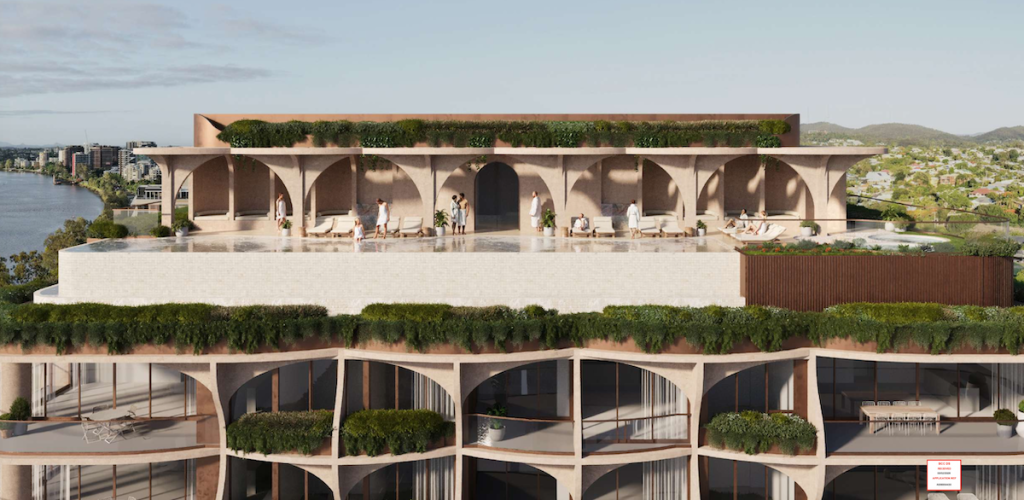
The development would deliver 90 apartments across a 23-storey tower on a site of about 1,430 square metres. Plans include four basement levels of parking, more than 150 resident car spaces, visitor parking and shared rooftop facilities.

Positioned beside the Brisbane River, the site sits near the Bicentennial Bikeway and within walking distance of the Milton ferry terminal, placing it in one of the inner west’s most visible and well-connected locations.

Planning documents describe the site as suitable for a landmark-style development, a designation used to support buildings that stand out in form and scale within their surroundings.

Photo Credit: DA A006954430

Height difference becomes the central fault line

The proposed height has become the focal point of the dispute.

Under the Toowong–Auchenflower Neighbourhood Plan, residents point to an expected building height of around eight storeys for a site of this size. By contrast, the proposal reaches 23 storeys, with submitted plans indicating a roof height of about 83.6 metres when rooftop elements are included.

Developers have argued the project aligns with broader planning intent for higher density in well-located areas, while residents say the scale goes far beyond what the planning framework anticipates for this precinct.

Photo Credit: DA A006954430

Several residents have lodged formal submissions to Council opposing the project, with a coordinated community campaign also directing locals to review the proposal and lodge objections. These documents form part of the official assessment process and must be considered before a decision is made.

Technical concerns go beyond building height

The objections extend into detailed planning and engineering issues.

Residents claim the design falls short of council requirements for parking and access, citing concerns about car space dimensions, ramp gradients, aisle widths and sightlines within the basement layout. The absence of a dedicated loading bay for a building of this size is also raised.

Submissions also note that the development would remove on-street parking spaces along Lang Parade, adding pressure to an already constrained streetscape.

These points are framed as measurable non-compliance with council standards, rather than matters of preference.

Photo Credit: DA A006954430

Flooding risk emerges as a key issue

Flooding has become one of the most serious concerns raised by residents.

The site is located within a known flood-prone area, and the proposal includes four levels of basement parking. Submissions state the basement entry could be inundated by more than one metre during a major flood event.

Residents have questioned whether the application reflects updated flood modelling following Brisbane’s 2022 floods and have called for further verification of safety measures, including evacuation pathways and structural resilience.

Impact on views, light and daily living

Beyond technical issues, submissions describe how the development could affect nearby residents.

Concerns include loss of river views, reduced outlook toward Mount Coot-tha, overshadowing of neighbouring properties and reduced access to winter sunlight. Privacy and the overall sense of openness in the area are also raised.

Several submissions describe the current character of the neighbourhood as a factor in their decision to live there, with expectations shaped by the existing planning framework.

Photo Credit: DA A006954430

Landmark status questioned by locals

While planning documents point to the site’s potential as a landmark location, residents dispute whether the proposal meets that threshold.

Submissions state the design does not demonstrate the level of architectural quality or public benefit expected of a landmark building, arguing it falls short in areas such as form, landscaping and contribution to the streetscape.

This disagreement reflects a deeper divide over how planning rules should be interpreted when a project exceeds standard limits.

Milton’s role in a broader development shift

Although the site sits within Auchenflower, its proximity to Milton places the suburb at the centre of the conversation.

Coronation Drive functions as a key link between Milton, Auchenflower and Toowong, and any major development along this corridor carries implications for traffic flow, public transport use and the overall skyline.

The proposal also sits within a wider trend of increased development interest in Brisbane’s inner-west riverfront, where access to transport and proximity to the CBD continue to attract high-density proposals.


The development is currently in the public notification phase, during which submissions from residents and stakeholders are collected and reviewed.

Published 30-April-2026

Milton Circle Brings Women Together for Structured Conversation

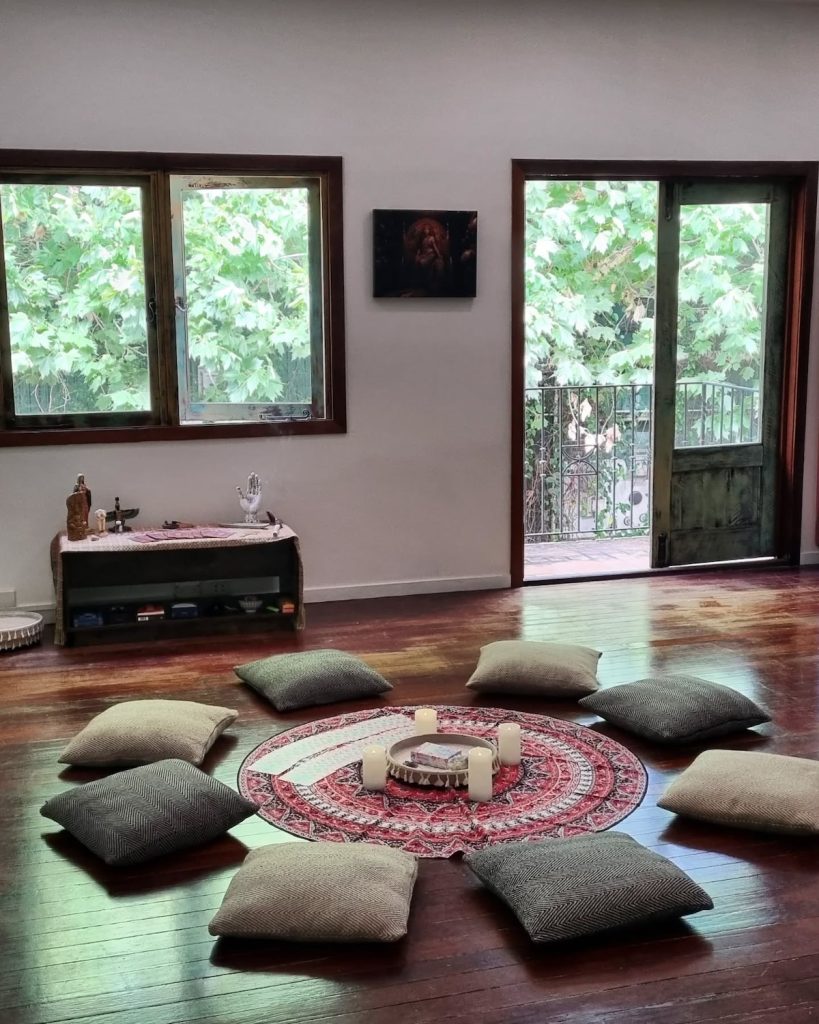
Just off a busy street lined with cafés and offices in Milton, a small group of women gathers each week in a tucked-away room, stepping into a slower rhythm where conversation replaces noise and strangers begin to speak as if they have known each other longer than an hour.


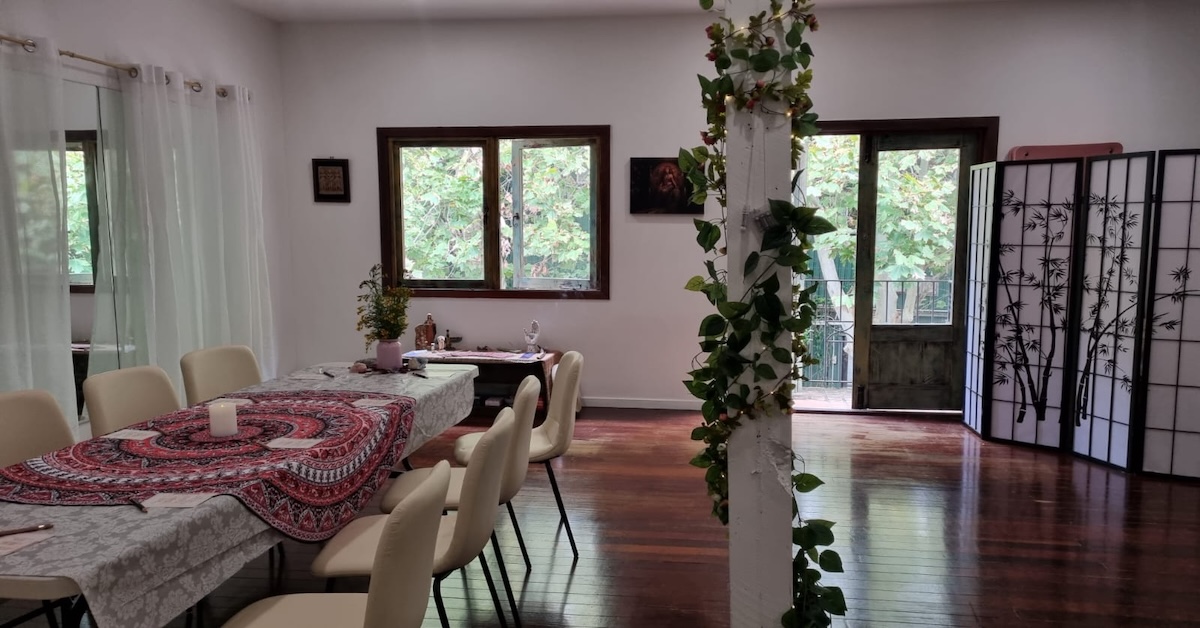
The gathering, called the Wednesday Women’s Circle, is run by The Goddess Temple Brisbane at Soulitude Sanctuary. 

A different kind of midweek evening in Milton

The setting is not what many might expect from a midweek social outing. There is no loud music or packed crowd. Instead, participants arrive quietly, take a seat, and settle into a space designed for stillness and focus.

Each session follows a theme, shaping how the group moves through the evening. There is a guided meditation to begin, followed by prompts that encourage reflection. Some participants speak. Others listen. Sharing is optional, but the structure allows those who want to talk to do so without interruption.

The circle is a place where people can reconnect with themselves and others in a steady, guided way. The pace is slow, and the format repeats each week, creating a sense of familiarity.

Guided by a facilitator with a structured approach

The sessions are led by Catherine, whose background in behavioural science is paired with experience in meditation and spiritual practice. Her role is to hold the structure of the session, guiding participants through each stage while maintaining a space where people feel at ease.

The sessions are thoughtfully managed, with attention to how the group is guided from one activity to the next.

The next gathering takes place Wednesday, 27 May from 6:30 p.m. to 8:15 p.m. Tickets are listed at $30, with attendance limited to around 12 people.

A small space behind Milton’s busy streets

Soulitude Sanctuary, where the circle takes place, sits behind a café and above a retail space, removed from the main flow of the street. The venue hosts a range of small group sessions, workshops and classes, many of them centred on wellbeing and personal development.

The size of the room shapes the experience. With only a dozen spots available, the group remains small enough for each person to be seen, but large enough to create a shared atmosphere.

A shift toward smaller, more personal gatherings

People are looking for a connection that feels more direct and less distracted. The Milton circle is one response to that, offering a regular time and place where conversation is given space.

The structure stays consistent. The group changes. Each week, new people arrive while others return, creating a mix of familiar and unfamiliar faces.

In a suburb better known for its traffic and offices, the gathering continues, week after week, shaped by the people who choose to sit down and take part.


Published 29-April-2026

Broncos Flex Depth, Flatten Bulldogs in 32–12 Statement

Write them off at your own risk.

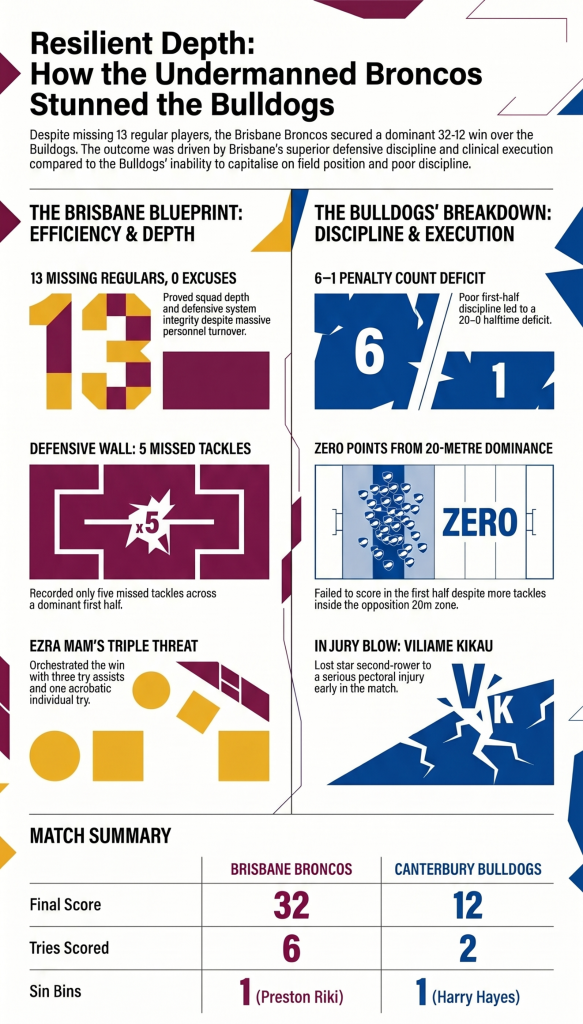
Missing 13 regulars and facing a Bulldogs side with momentum, the Brisbane Broncos didn’t just respond—they took control early and never let go, powering to a commanding 32–12 win at Suncorp Stadium, dominating Round 8 of the 2026 Telstra Premiership.

The Pre-Anzac Day battle was setup beautifully with the poignant Anzac pre match ceremony.

From the outset, Brisbane were clear in approach. Composed, direct, and defensively tight, they absorbed early pressure as Canterbury probed the edges—twice shaping for an overlap on the right but failing to pull the trigger.

That hesitation proved costly.

In the 16th minute, Ezra Mam turned pressure into points. A low grubber skidded through the line, Marcelo Montoya misjudged it, and Gehamat Shibasaki pounced. Reynolds converted. 6–0.

Moments later, Brisbane struck again—this time with precision. Mam squared up the line and delivered a clean ball to Josiah Karapani, who cruised through untouched. Two visits, two tries. 10–0.

Territory without reward

The Bulldogs weren’t without chances. They spent extended sets inside Brisbane’s 20, but the final play kept breaking down—passes held, options missed, timing just off. Brisbane’s line speed did the rest, closing space before it could open.

Then came the swing.

At the 28th minute, Harry Hayes was sent to the bin for a trip, and the Broncos immediately capitalised. Reynolds pointed to the posts and stretched the lead to 12–0. It wasn’t just the points—it was the shift. The Bulldogs’ energy dipped, Brisbane’s lifted.

The pressure rolled on.

Deine Mariner produced one of the finishes of the night in the corner—tight space, full control—before turning provider minutes later. Bursting down the right edge, he drew the defence and found Cory Paix backing up inside. 20–0.

By halftime, the gap felt wider than the scoreboard. Brisbane had missed just five tackles despite the reshuffle, and Canterbury—despite their territory—had nothing to show for it.

Mam lights it up

Any hope of a Bulldogs reset after the break lasted barely five minutes.

A broken play turned into brilliance. The ball was batted loose, Mam reacted quickest, scooped it up and launched himself toward the corner—somehow grounding it while staying in play. It was instinct, balance, and confidence in one movement. Reynolds converted. 26–0.

At that point, it was no longer about who would win—but how the game would finish.

A flicker, but no shift

To their credit, the Bulldogs kept turning up.

Matt Burton finally broke through after a midfield surge, and later Lachlan Galvin sliced through off a well-timed lead run to narrow the margin. For a brief stretch, momentum tilted—but never fully turned.

Brisbane absorbed it again.

Even with disruption—Preston Riki sent to the bin and Brendan Piakura forced off—their defensive shape held. Reynolds slowed the game when needed, kicked long, and reset field position. The urgency from Canterbury never quite translated into sustained pressure.

Depth delivers

The final say belonged to Brisbane’s pack.

With Payne Haas absent, Xavier Willison stepped up across the night—and finished it late. Charging onto the ball near the line, he powered through to seal it. It was direct, physical, and symbolic of the performance.

Reynolds added the extras. 32–12.

This wasn’t about possession or territory. It was about execution—and Brisbane nailed the moments that mattered.

The Bulldogs had their chances and left them out there.

The Broncos didn’t.

Short-handed, under pressure, and still in control from start to finish—this wasn’t just a win.

It was a reminder. Count them out at your own risk.

Published 24-April-2026

Milton Streets Come Alive with Vibrant Artworks on Signal Boxes

The streets of Milton have been transformed into an open-air gallery, with local residents painting vibrant artworks on traffic signal boxes throughout the suburb. These eye-catching installations celebrate everything from local stories to community connections, turning everyday street furniture into conversation starters.


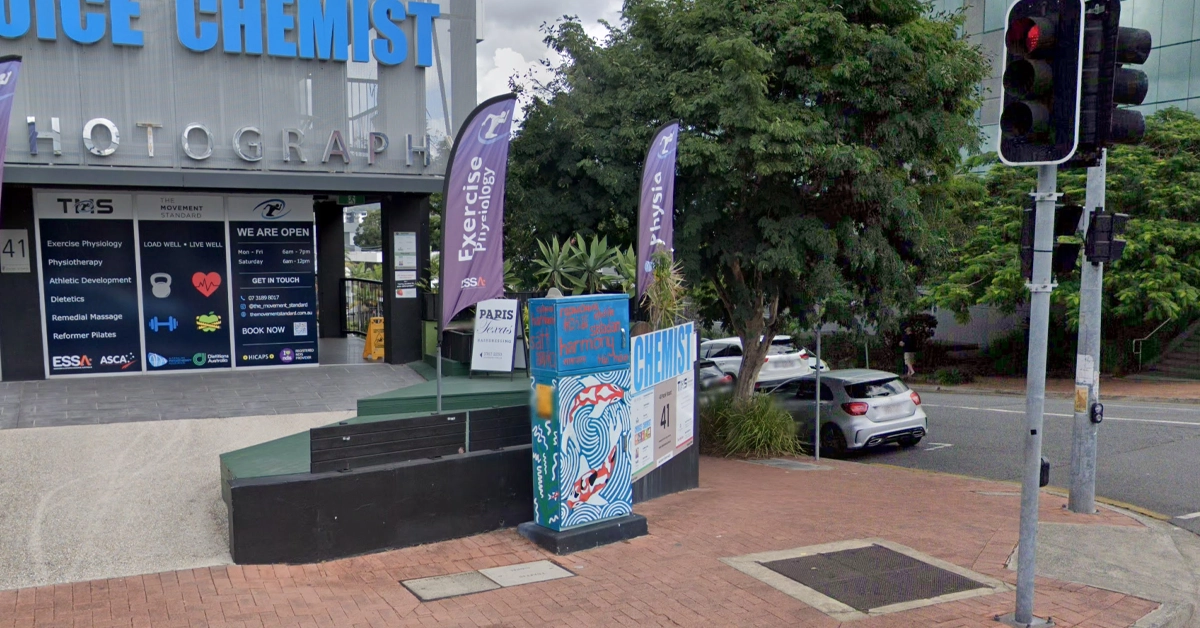
Koi

Photo Credit: Artforce Brisbane

Located at the corner of Park Road and Douglas Street, this traffic signal box features multiple koi fish swimming among pond plants. Created by Ashleigh Westmoreland with assistance from Anna Ilyshechkin, Thomas Magree and Skye Baldock, the artwork draws parallels between the tranquillity of the Brisbane River and the bustling energy of Milton’s commercial centre. The piece incorporates the word “harmony” written in 35 languages across the top section, acknowledging Milton’s multicultural character reflected in its diverse dining scene and community events. The box was completed in April 2020 and received a nomination for overall winner.

Our Backyard

Photo Credit: Artforce Brisbane

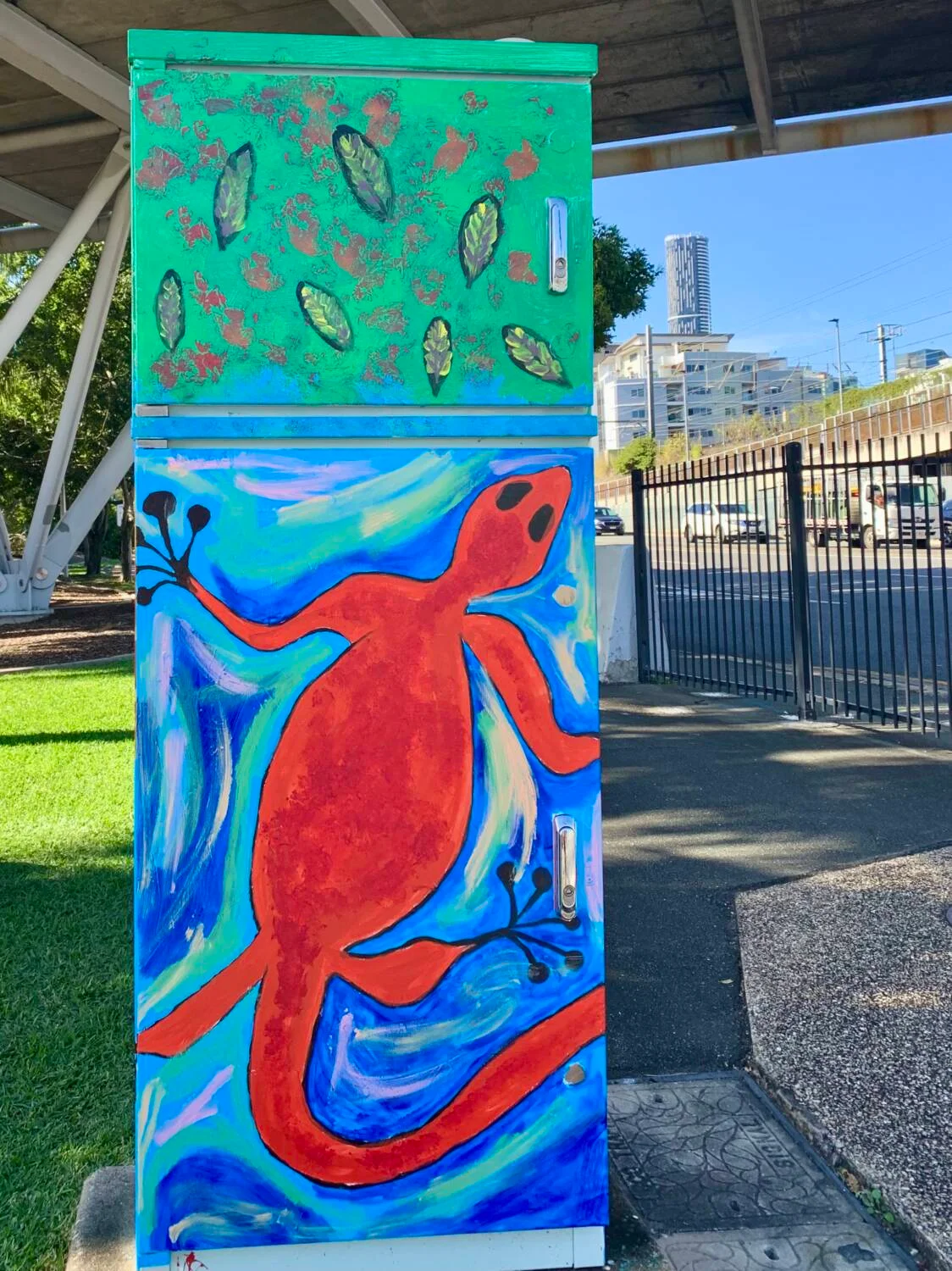
The intersection of Milton Road and Castlemaine Street showcases native Australian fauna rendered in a vibrant pop art colour palette. This 2021 artwork was designed and painted by Australian Defence Force veterans with support from Mates4Mates, a charity supporting defence personnel impacted by service-related injury or illness. Brienne Gibbs, a liaison officer with the organisation, facilitated the project. The playful colour scheme aims to remind passersby of the native creatures that share Brisbane’s urban environment whilst highlighting the responsibility to care for local wildlife.

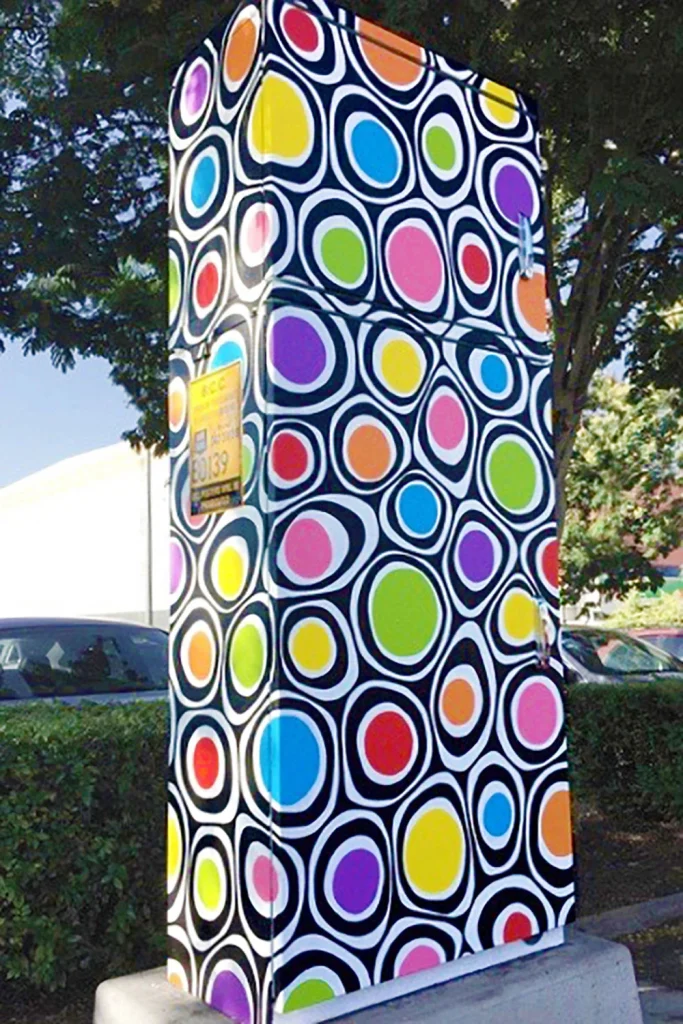
Spots

Photo Credit: Artforce Brisbane

At Milton Road and Cribb Street, Kirsten Baade’s geometric exploration uses colour and shape to reflect Milton’s dynamic character as a suburb. Completed in January 2017, the abstract design earned nominations for both overall winner and best adult categories.

Toot Toot Beep Beep Hoot Hoot Tweet Tweet

Photo Credit: Artforce Brisbane

Anyone who has sat in peak-hour congestion along Milton Road will appreciate Bronte Mark’s lighthearted take on the daily commute at 291 Milton Road. The 2023 artwork depicts various vehicles—buses, electric cars, family vehicles and even someone towing a moving trailer—in a colourful, whimsical style. The piece earned the best Energex box award in 2023. Mark’s intention was to help commuters find humour in the shared experience of traffic whilst walkers might feel grateful for their freedom of movement.

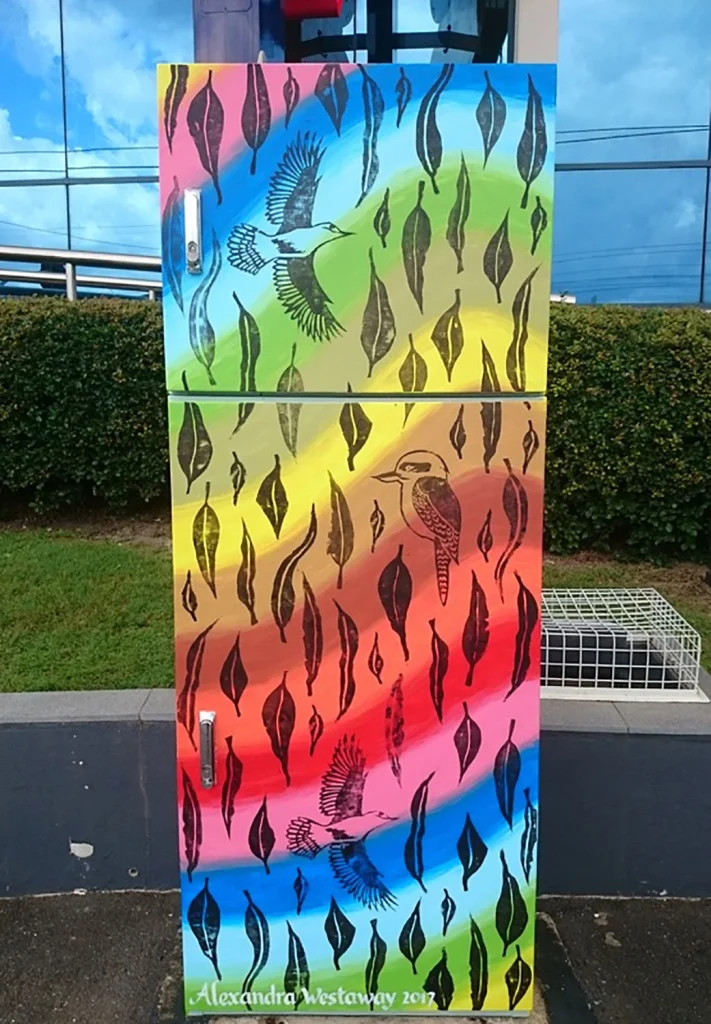
Kookaburra Sits in the Old Gum Tree…Deconstructed

Photo Credit: Artforce Brisbane

Alexandra Westaway’s 2017 piece at the busy intersection of Milton Road, Baroona Road and Park Road takes inspiration from the classic Australian children’s song. The artwork features a rainbow backdrop in colours representing the natural Australian landscape—volcanic soil reds, sky and sea blues, and the varied hues of native flora and birdlife. The piece, which earned nominations for overall winner and best adult, poses questions about the impact of rapid urban development on Brisbane’s natural spaces and quality of life.

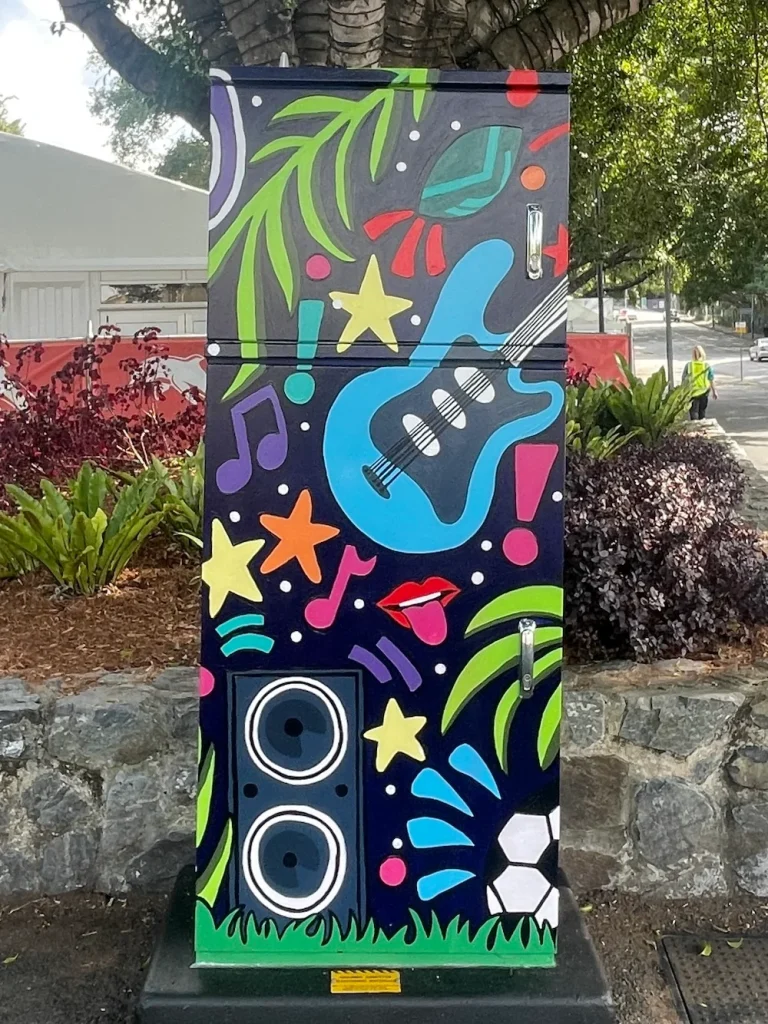
Footy, Fireworks, Fans, Festivities and Fun!

Photo Credit: Artforce Brisbane

Helen Lucas and Gemma Lucas’s 2025 design at Caxton Street and Hale Street pays tribute to the energy and excitement of Milton’s entertainment and sports precinct. The artwork acknowledges Lang Park Stadium’s 30th anniversary in 2025, capturing the diverse events hosted at the venue—from rugby codes to concerts and major football matches. The background incorporates the area’s history as native bushland, burial ground and parkland, whilst fireworks gesture towards Brisbane’s 2032 Olympic Games hosting duties.

About Artforce Brisbane

These artworks are part of Artforce Brisbane, an annual community art programme run by Brisbane City Council since 1999. The initiative invites Brisbane residents of all ages, abilities and backgrounds to paint original artworks on traffic signal boxes throughout the city’s suburbs. More than 5,000 volunteers have painted over 1,200 boxes across Brisbane, celebrating local characters, cultures, histories and landmarks while reducing graffiti and vandalism. The programme is managed by Artfully, a Brisbane-based arts consultancy specialising in public art and placemaking. Each year, approximately 80 painting opportunities become available as the council upgrades intersections and replaces old cabinets.


Residents interested in participating can register at the Artforce Brisbane website or email info@artforcebrisbane.com.au for more information.

Published 26-December-2025
Updated 19-April-2026

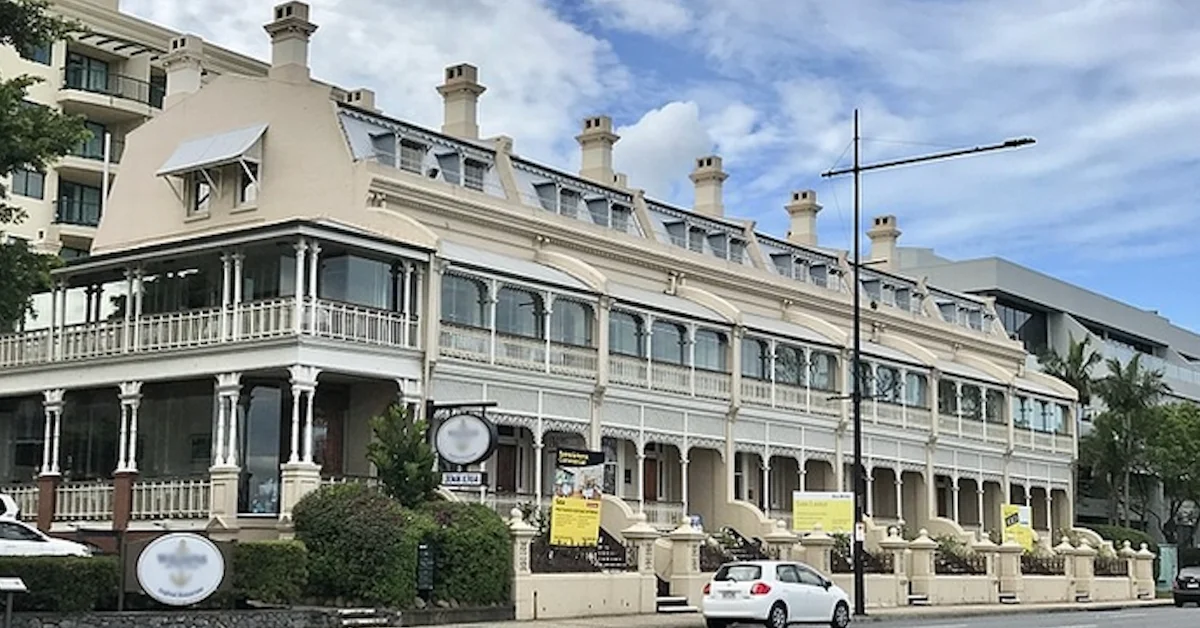
Discover the Beginnings of the Iconic Cook Terrace in Milton

Cook Terrace in Milton is considered an iconic landmark in the suburb. The building’s elegant and well-preserved features significantly contribute to the Coronation Drive riverscape and streetscape.


Currently, Cook Terrace is one of the few intact and surviving nineteenth-century terraces in Brisbane. Along with the changing times, the heritage-listed structure has been an important part of many people’s lives, especially when it was converted to flats, catering to many students as well as families in the 1960s and 1970s.

History of Cook Terrace

Photo credit: www.brisbane.qld.gov.au

In September 1888, Brisbane builder Joseph Blain Cook acquired the title to subdivisions 1 to 6 of the Milton House estate, a section of the prime real estate along the Brisbane River, from John Frederick McDougall.

After his acquisition, he raised a mortgage of £6,000 on the property to finance construction of the terrace.

Cook initially constructed the building as a  two-storeyed brick row of six houses in 1888-1889. He built the first house in late 1888 whilst the remainder of the row was completed in 1889. The architect of the terrace is unknown.

The terrace was built as a rental property since the Queensland Undue Subdivision of Land Prevention Act of 1885 prohibits the granting of titles to individual terrace houses.

The enterprise might have been promising at the time, however, within two years of construction, Cook was declared insolvent. As a result, the terrace was passed to his mortgagees.

Milton Terrace

Cook Terrace, Coronation Drive, Milton, Brisbane, 1945. Photo credit: Queensland State Archives, Digital Image ID 536

The property was known as Milton Terrace in 1895. With its river views and breezes as well as its proximity to the centre of town, the terrace remained as one of Brisbane’s more prestigious rental addresses. This went on until the twentieth century.  The property was attracting mainly professional and white-collar tenants at the time.

The Rourke family owned the terrace from 1895. It is likely that they were responsible for adding a southwestern verandah and dome room.

Cook Terrace (2009). Photo credit: Heritage Branch staff

Each house had been subdivided into at least two flats by 1920. Builder Simon Smith acquired the property in 1923. He may have been responsible for removing the front parapet and installing dormer windows.

In the 1930s, the name Milton Terrace was lost. Consequently, the houses were known collectively as Gloralgar Flats by the end of the decade.

During the Second World War, it was believed that army authorities rented the flats for officer accommodation.

After the war, the verandahs were enclosed and the six houses were further converted into twenty-seven flats which were considered something of a bohemian retreat.

The building remained as a visual landmark along Coronation Drive despite its decline. The terrace was then refurbished and recycled as offices and a restaurant in 1984.

Cook Terrace Now

Cook Terrace in 1980 and 2018. Photo credit: Passing Time/Facebook

Cook Terrace continues to marvel passersby with its exquisite architecture. The restaurant side of the property has seen a few restaurants come and go. This includes the famous Joseph Alexanders and Wilsons on the River.

The historic building has been added to the  Queensland Heritage Register on 21 October 1992.


Today, Cook Terrace is home to several corporate offices. It was also the site of a Mediterranean restaurant, at one point.

Updated 16-April-2026

Suncorp Stadium Students Gain Real-World Experience Through Broncos Program

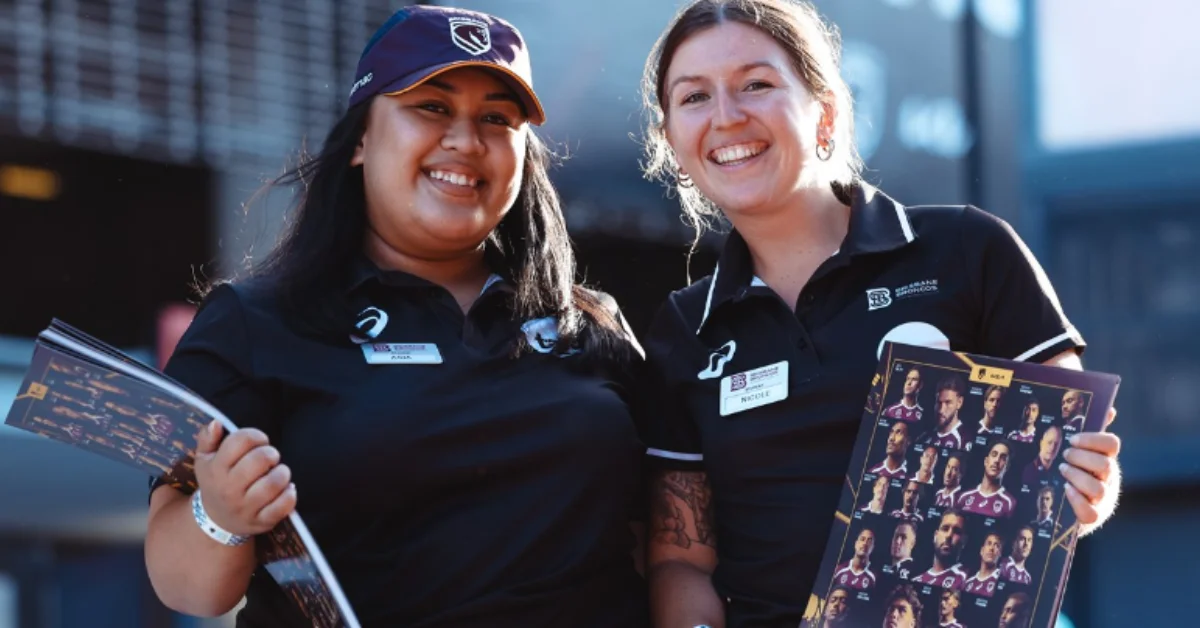
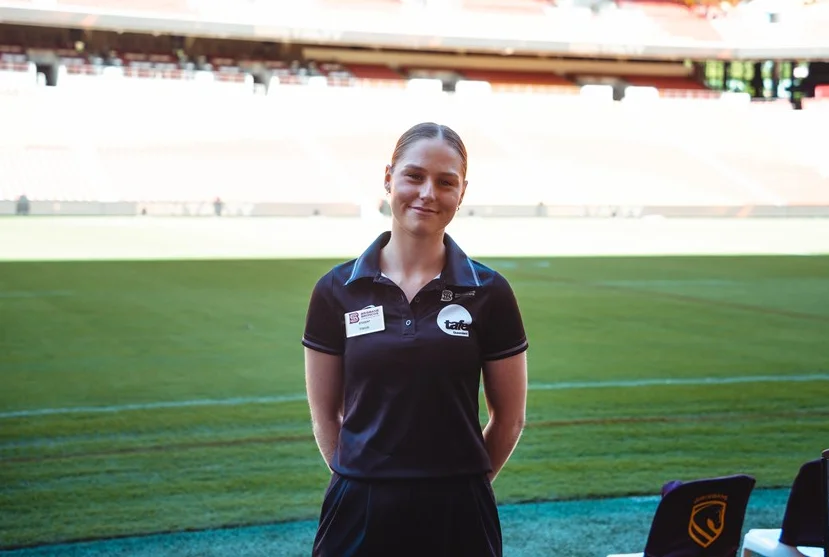
Students from the Brisbane Broncos Sport Business Institute are gaining hands-on experience at Suncorp Stadium, working behind the scenes during live Brisbane Broncos matches as part of their sport industry training.


From Study To Stadium Operations

Students enrolled in the Brisbane Broncos Sport Business Institute are stepping into live event environments at Suncorp Stadium, contributing to matchday operations during National Rugby League fixtures.

The program is delivered in partnership with TAFE Queensland and the Brisbane Broncos, providing students with exposure across corporate hospitality, marketing, game day operations and community-related activities.

During a recent fixture between the Broncos and Dolphins, around 50 students worked across the venue, supporting various aspects of the live event.

Brisbane Broncos
Photo Credit: Brisbane Broncos

Inside The Matchday Experience

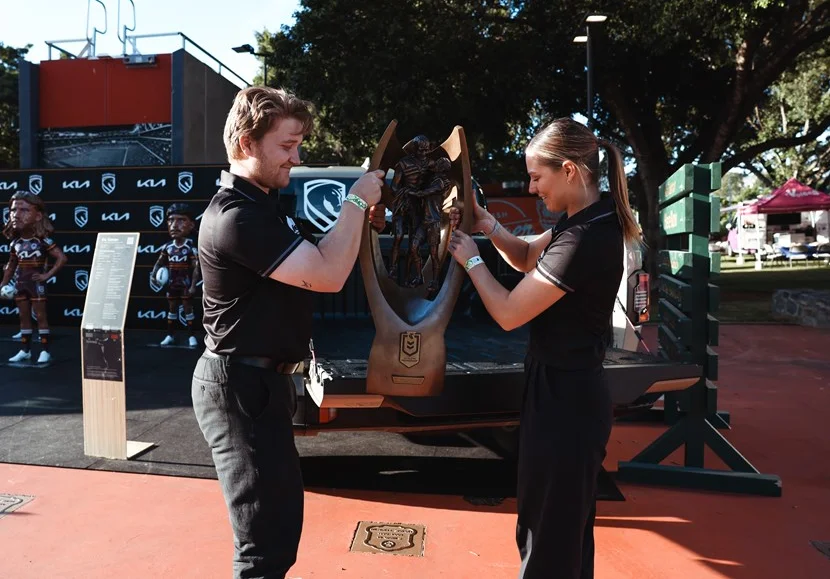
Students took on a range of responsibilities that contributed to the delivery of the matchday environment, including assisting with the setup of activity areas, corporate spaces and sections connected to team operations.

Their involvement extended beyond the pre-game period, with post-match tasks carried out on the field to ensure items were prepared for players to distribute to fans.

This experience allowed students to engage directly with the operational side of a major sporting event, gaining practical insight into how different elements come together on game day.

Learning Through Real-World Placement

The placement forms part of a dual diploma program combining leadership, management and sport, with students required to complete 100 hours of industry-based experience as part of their studies.

Hands-on learning is integrated into the course structure, allowing participants to apply their studies in a live environment while developing familiarity with industry practices.

Students are supported throughout the program by the education team, who provide guidance across both the academic and practical components of the course.

Suncorp Stadium students
Photo Credit: Brisbane Broncos

Pathways Into The Sport Industry

Working within a live National Rugby League setting provides students with exposure to real-time event delivery, helping build confidence and readiness for roles within the sport and events sector.

The experience contributes to the development of practical skills aligned with industry expectations, supporting students as they prepare to transition into the workforce.


Enrolments remain open for the next intake of the dual Diploma of Leadership and Management and Diploma of Sport, continuing to offer opportunities for students to gain experience within live sporting environments.

Published 5-Apr-2026

Historic Homes in Brisbane: Milton House

One of the oldest surviving houses in Brisbane, Milton House is arguably the most significant landmark in the suburb.


The heritage-listed residence has been home to prominent personalities in Milton over the years. The house is also particularly special since this is where the suburb got its name.

Milton House helps in telling the story of Queensland’s history because of its association with important early agricultural experimentation and the pastoral development of the western suburbs. In fact, Milton house is the first substantial house in the western suburbs.

Get to know the history of Milton House and the important personalities that helped shape the suburb.

History of Milton House

BRISBANE’S HISTORIC HOMES, XLV.—MILTON HOUSE, MILTON. (1931, January 8). The Queenslander (Brisbane, Qld. : 1866 – 1939), p. 37. Photo credit: National Library of Australia

Built around 1852 or 1853 for retired Queen Street chemist Ambrose Eldridge, Milton House was the first substantial house in the area. The remarkable residence instantly became a local landmark.

Milton House was the base for Eldridge’s experimental farming. At the time, Moreton Bay region was still struggling to establish itself. Later, the home became the centre for JF McDougall’s considerable pastoral holdings in the area.

Ambrose Eldridge

Panoramic view of Milton, showing Milton House in the middle distance, ca. 1874. Photo credit: John Oxley Library, State Library of Queensland. Image number: 66141.

Despite having little knowledge of farming, Eldridge bought over 30 acres of land along the northern bank of the Brisbane River in 1851. He then named it Milton Farm after his birthplace which was Greater Milton, near Oxford, England.

Eldridge experimented with cotton growing to prove that agriculture at Moreton Bay is both sustainable and profitable. He was initially one of the most successful cotton growers in the area.

In 1853, his cotton experiment was successful that his samples of cotton sent to Sydney in a government-sponsored competition won first prize. He also sent samples of the Milton cotton to the Paris Exhibition of 1855, where it was highly acclaimed.

With the hopes of expanding his efforts to promoting sustainable local farming in Brisbane, Eldridge took a lease of approximately 400 acres of land at Eagle Farm. He later sold the Milton Estate to pastoralist John Frederick McDougall in January 1856.

Unfortunately, Eldridge’s Eagle Farm experiment seems to have failed which forced him to go back to the chemist business in 1859. He sadly died a year after, leaving his family penniless.

Notable Residents of Milton House

Milton House, Milton, ca. 1870. Photo credit: John Oxley Library, State Library of Queensland.

After acquiring the land, JF McDougall, a member of the first Queensland Legislative Council, farmed the Milton Estate and enlarged the house considerably.

The McDougalls then lived at Rosalie Station and let Milton from 1864.

Well-known personalities that have lived in the house included Arthur Manning, the Colonial Under-Secretary; Henry Walsh, MLC and speaker of the Legislative Assembly; and James Crombie.

Milton house later gave its name to the local suburb, whilst neighbouring Rosalie took its name from McDougall’s Darling Downs property.

After a few years of tenancy, Milton Farm was sold to the Queensland Investment and Land Mortgage Co. Ltd in 1885. The estate was then subdivided for residential development at a time when the newly created streets of McDougall, Manning, Walsh, and Crombie were named after previous owners or occupiers of Milton House.

Side view of Milton House with the Manning family on the verandah, 1868. Photo credit: John Oxley Library, State Library of Queensland. Image Number: 63477

Other owners and occupiers of the historic home include:

  • The Commissioner of Police, David Thompson Seymour (1887).
  • Dr Hugh Bell, a noted physician and consultant at the Brisbane General Hospital for forty years (1888).
  • Grain merchant William Siemon and his family, who bought the estate in 1904 and renovated the premises in 1922.

The Siemon family then gave the property to the Presbyterian Church in 1955. The church used the Milton House as a hostel for women college students until 1983.

The building subsequently became part of the Kings Row Corporate Park development, at which time it was refurbished to resemble its outward appearance of the 1860s.

Milton House Now

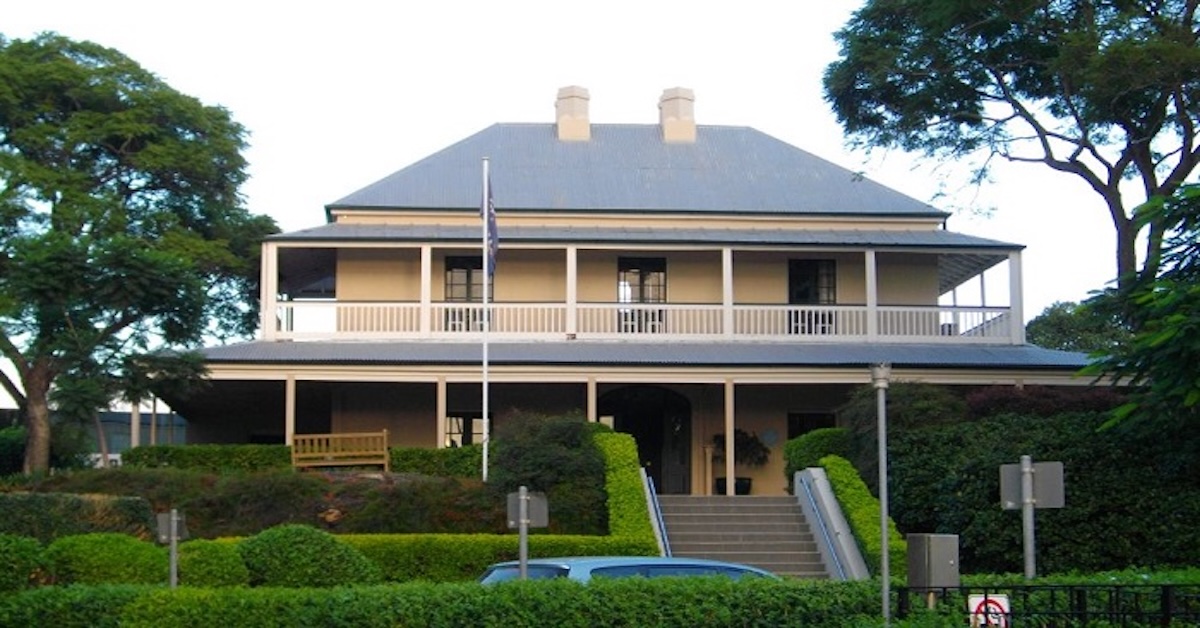
The Milton House in 2018. Photo credit: kgbo/Wikimedia Commons

Today, Milton House remains to be a significant landmark in the suburb. It is currently one of the sites of Brisbane City Council’s Milton Heritage Trail.


The home still stands out with its striking features of Colonial Georgian architecture. Despite the developments that currently surrounds the heritage-listed home, a glimpse at the historic home reminds locals of its rich and valuable history.

Updated 18-April-2026