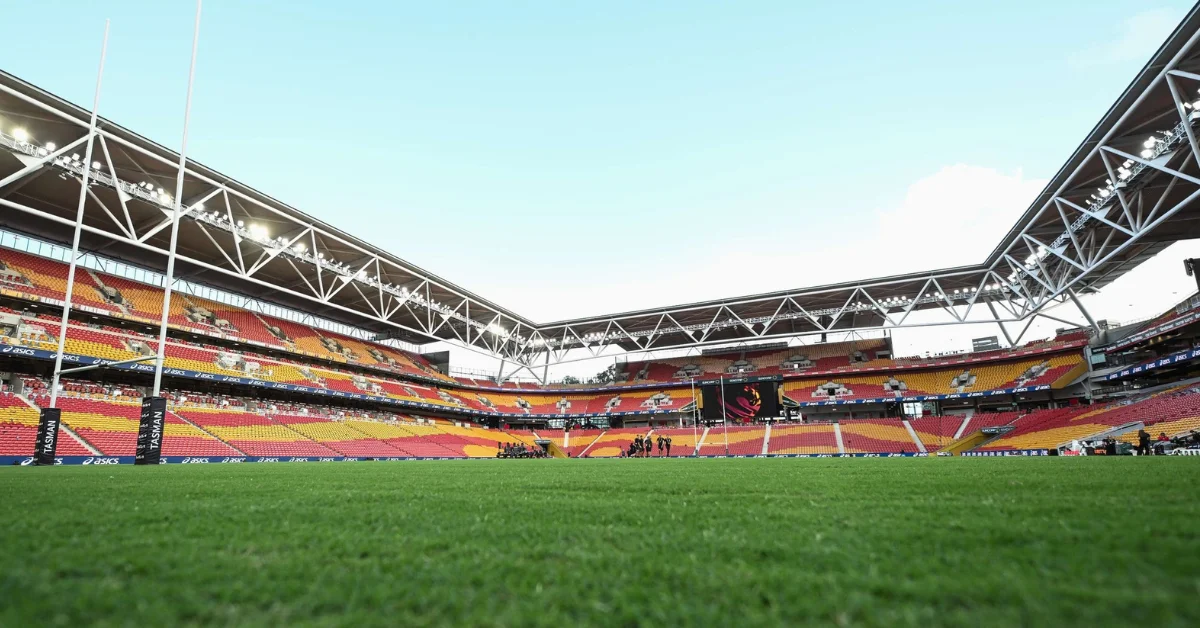
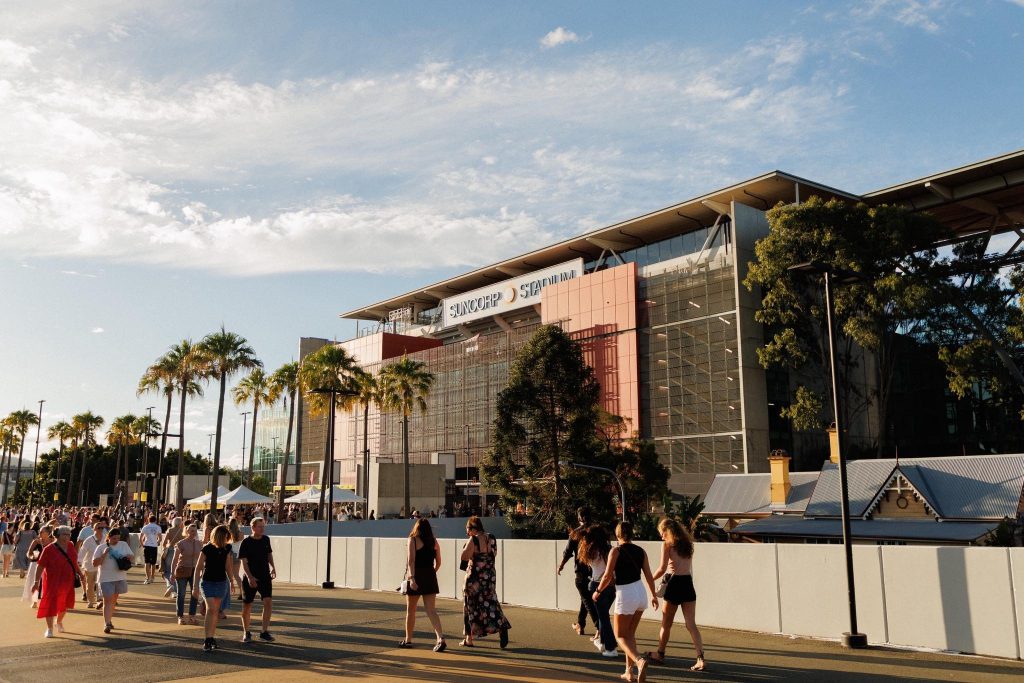
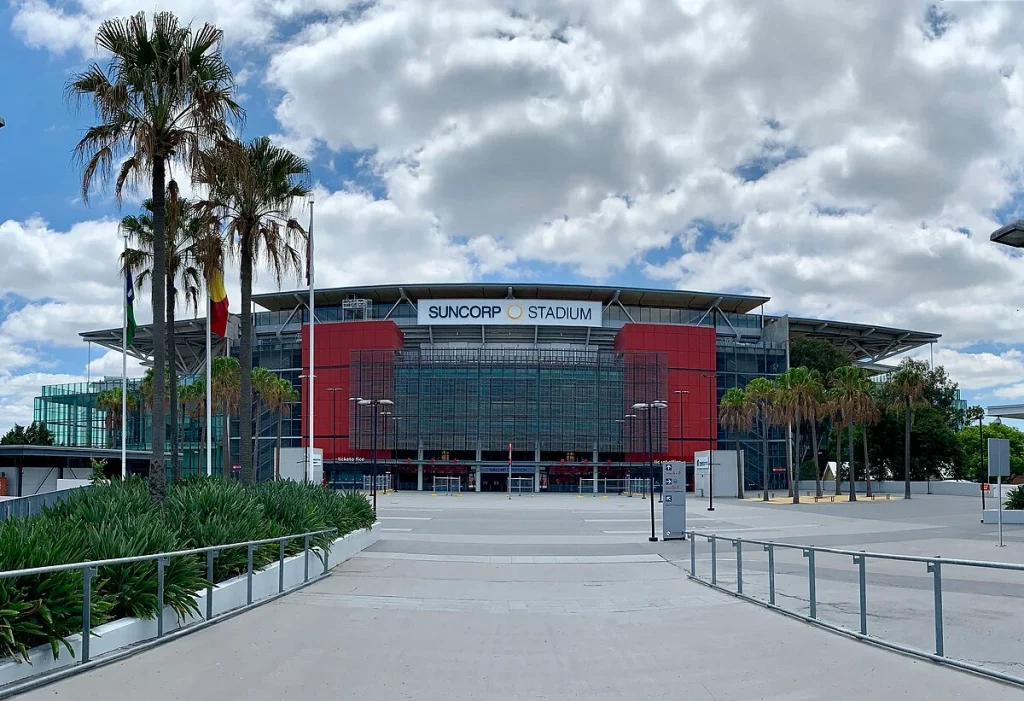
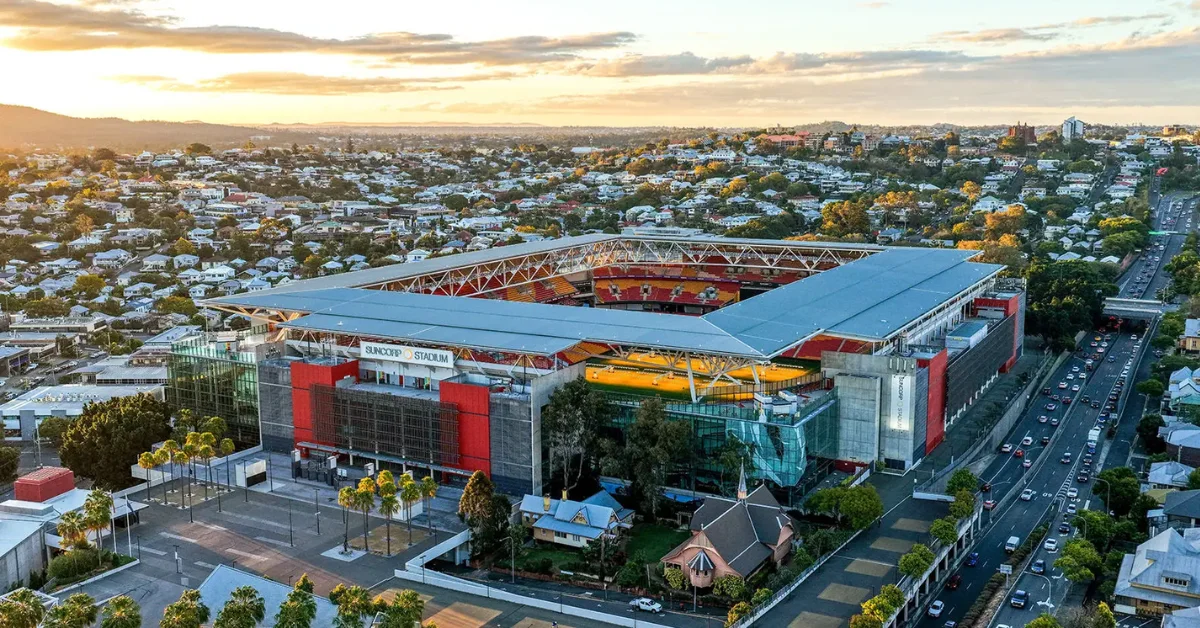
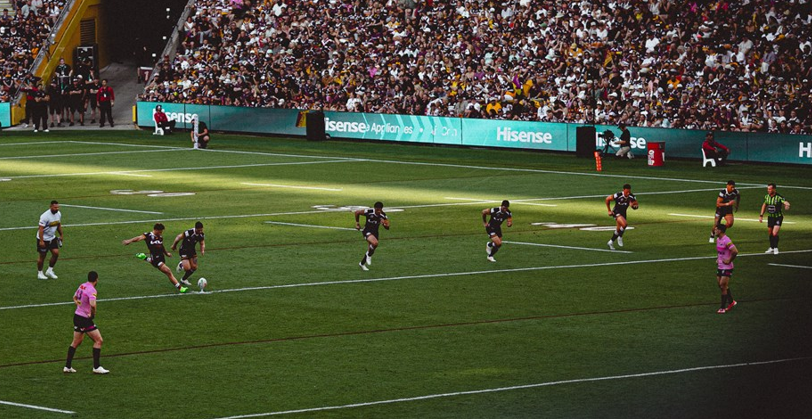
Two of Suncorp Stadium’s biggest stakeholders are calling on Queensland’s sporting authorities to invest in an upgrade of the Cauldron, as planning for a new arena at Victoria Park continues ahead of the 2032 Brisbane Olympics.
The Brisbane Broncos and venue operator Legends Global have both gone public with calls for proper investment in the stadium.
Suncorp Stadium has not undergone a major refurbishment since 2003, with planning discussions now examining how the venue could be modernised to meet future event requirements, including the potential use of artificial intelligence systems to improve large-scale event delivery and reduce operational costs during changeovers between sporting fixtures and concerts.
Stakeholders want action before 2032
Photo credit: Facebook/Suncorp Stadium
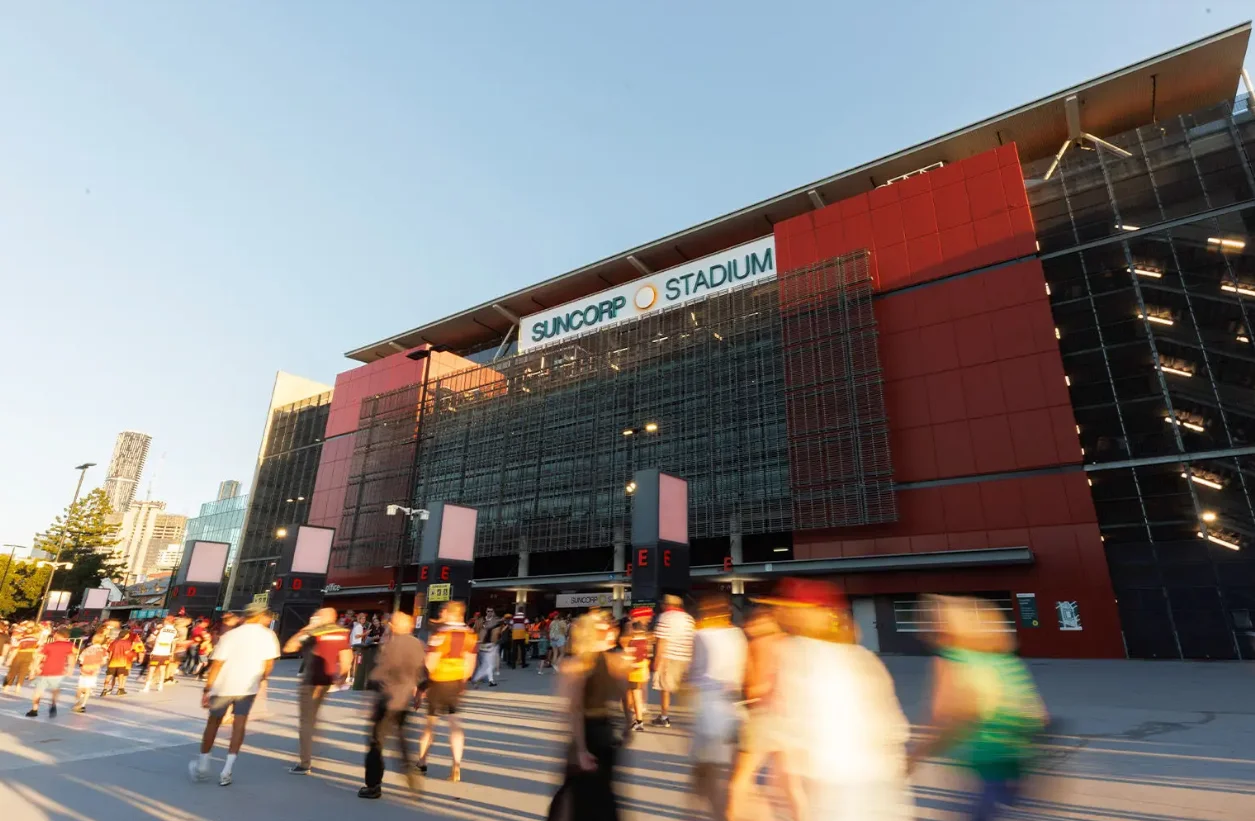
Brisbane Broncos chief executive Dave Donaghy has acknowledged that while the stadium’s seating bowl remains world-class, the broader venue has not kept pace with modern stadiums built across Europe and North America over the past decade. Mr Donaghy has stressed that planning needs to begin now, given the Broncos’ lease expires in 2032, the same year Brisbane hosts the Olympics.
Mr Donaghy has also indicated the Broncos are willing to invest in the stadium to help secure its long-term future, though he said it is too early to specify what form or scale that contribution might take.
Legends Global Asia Pacific chairman and chief executive Harvey Lister said fans attending events at Suncorp have a reasonable expectation of a contemporary and enhanced experience. Mr Lister confirmed Legends Global is prepared to make a significant financial contribution to upgrades, on the condition that investment is commercially sound and causes minimal disruption to the venue’s event schedule.
Mr Lister also called for other Suncorp tenants, the Dolphins and the Queensland Reds, to be included in upgrade and investment discussions.
What upgrades could involve
Photo credit: Facebook/Suncorp Stadium
No formal plans have been publicly released. Based on stakeholder commentary, any upgrade would focus on targeted improvements to the fan experience rather than a full rebuild of the venue. Mr Lister has been explicit that a major reconstruction is not what is being sought. Additional seating has been flagged as part of any upgrade, though no further detail on scope has been made public.
Victoria Park adds pressure on timeline
The new Brisbane stadium being developed at Victoria Park for the 2032 Olympics has added urgency to calls for a Suncorp upgrade. Mr Donaghy said the Broncos welcome the new venue but cautioned that Suncorp should not be overlooked in the process.
When asked whether the club might consider relocating to Victoria Park if adequate investment was not made at Suncorp, Mr Donaghy said he remained hopeful Suncorp would stay the home of rugby league, while noting the club was curious about what the new venue would offer.
Sports Minister Tim Mander has said planning is underway to ensure Suncorp remains the best rugby league stadium in the world. Mr Mander’s office has described Suncorp as the spiritual home of rugby league.
Mr Lister has noted that any works would need to be carefully staged to avoid disrupting the venue’s busy event calendar. Mr Donaghy has similarly indicated the Broncos want to be part of the planning process and are prepared to invest in the stadium.
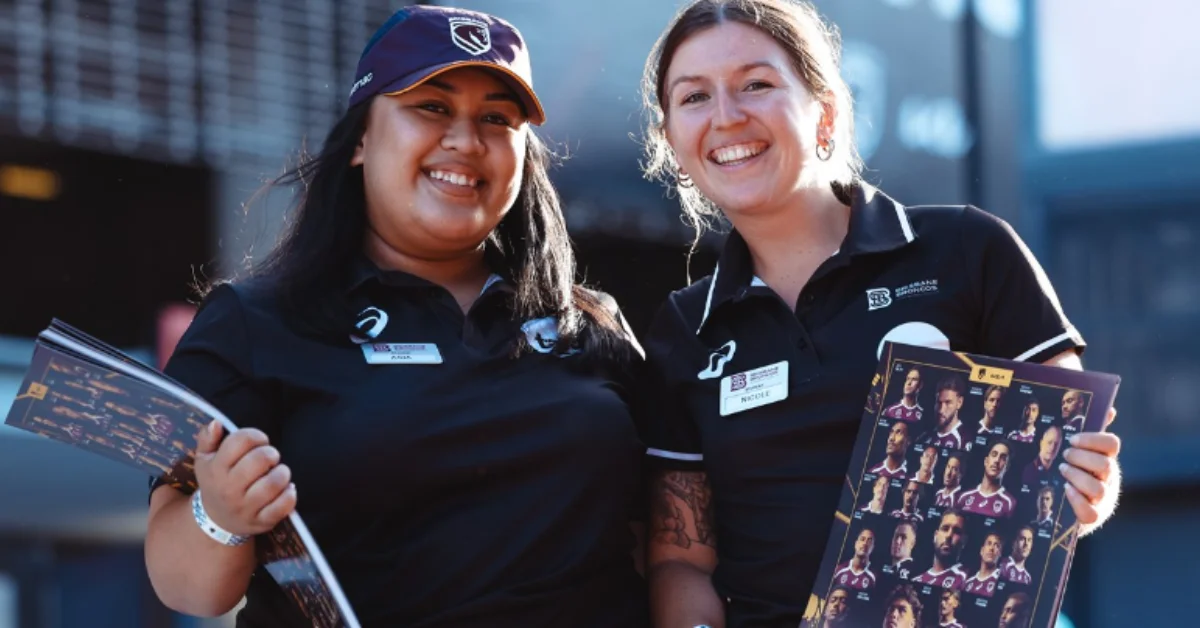
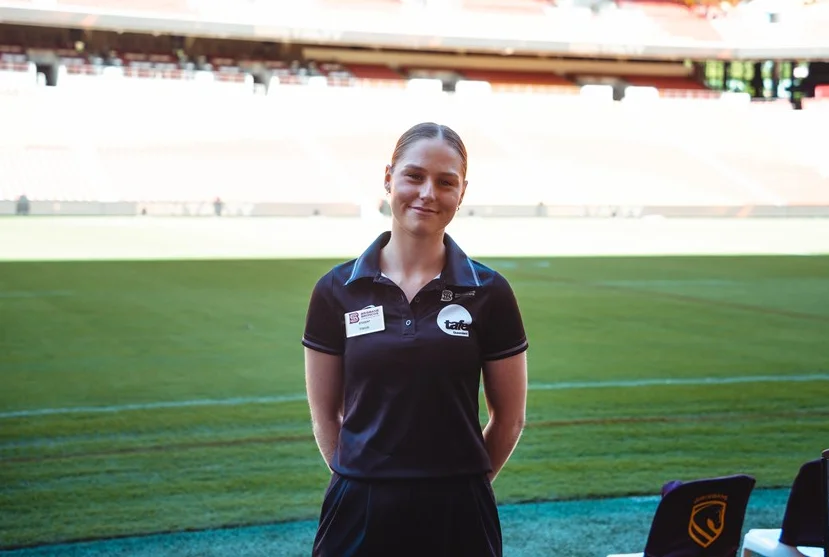
Students from the Brisbane Broncos Sport Business Institute are gaining hands-on experience at Suncorp Stadium, working behind the scenes during live Brisbane Broncos matches as part of their sport industry training.
Students enrolled in the Brisbane Broncos Sport Business Institute are stepping into live event environments at Suncorp Stadium, contributing to matchday operations during National Rugby League fixtures.
The program is delivered in partnership with TAFE Queensland and the Brisbane Broncos, providing students with exposure across corporate hospitality, marketing, game day operations and community-related activities.
During a recent fixture between the Broncos and Dolphins, around 50 students worked across the venue, supporting various aspects of the live event.
Photo Credit: Brisbane Broncos
Inside The Matchday Experience
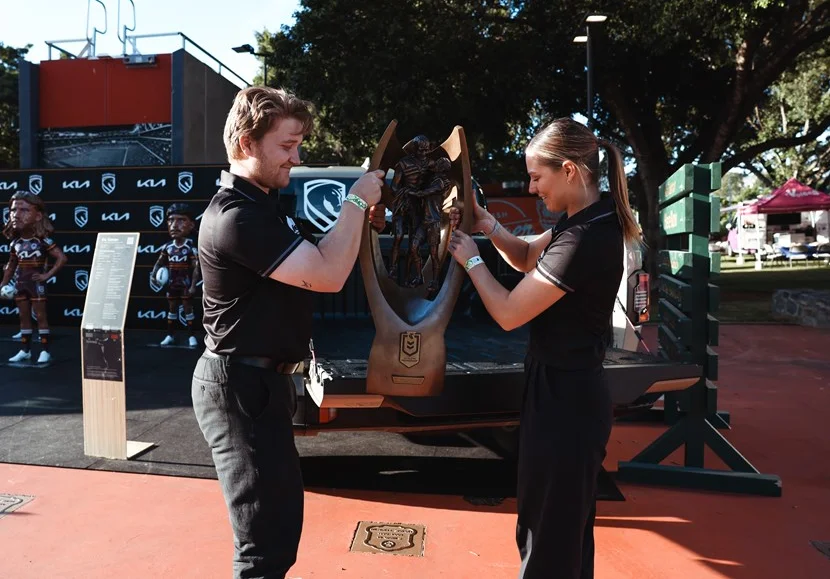
Students took on a range of responsibilities that contributed to the delivery of the matchday environment, including assisting with the setup of activity areas, corporate spaces and sections connected to team operations.
Their involvement extended beyond the pre-game period, with post-match tasks carried out on the field to ensure items were prepared for players to distribute to fans.
This experience allowed students to engage directly with the operational side of a major sporting event, gaining practical insight into how different elements come together on game day.
Learning Through Real-World Placement
The placement forms part of a dual diploma program combining leadership, management and sport, with students required to complete 100 hours of industry-based experience as part of their studies.
Hands-on learning is integrated into the course structure, allowing participants to apply their studies in a live environment while developing familiarity with industry practices.
Students are supported throughout the program by the education team, who provide guidance across both the academic and practical components of the course.
Photo Credit: Brisbane Broncos
Pathways Into The Sport Industry
Working within a live National Rugby League setting provides students with exposure to real-time event delivery, helping build confidence and readiness for roles within the sport and events sector.
The experience contributes to the development of practical skills aligned with industry expectations, supporting students as they prepare to transition into the workforce.
Enrolments remain open for the next intake of the dual Diploma of Leadership and Management and Diploma of Sport, continuing to offer opportunities for students to gain experience within live sporting environments.
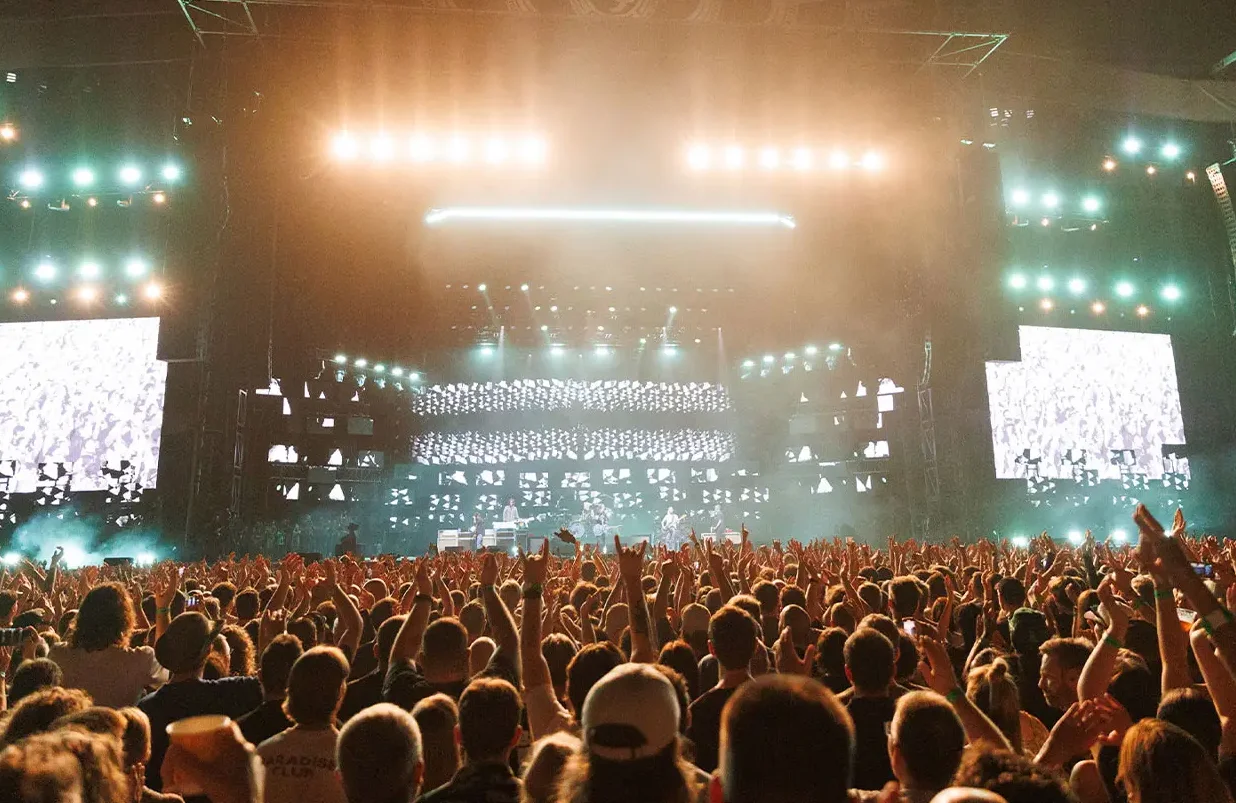
The Foo Fighters are returning to Brisbane for the first time since 2023, with Suncorp Stadium in Milton set to host the band on Thursday, November 5 as the opening night of their Take Cover Australian and New Zealand stadium tour.
The announcement has been building for weeks, following the band’s history-making one-off concert in Launceston in January 2026, where Dave Grohl promised the crowd the Foos would be back sooner than expected. The band has now locked in nine stadium dates, kicking off in Brisbane in November 2026 before heading across the country and wrapping up in Perth in January 2027. The Brisbane show will open the tour.
For Milton locals and the broader inner-Brisbane community, Suncorp Stadium is a well-worn venue for big rock nights. The Foos have played the ground before on their 2023 run, and the familiarity of the setting is part of the appeal: a stadium that functions as a genuine community gathering point, not just a concert shed.
A New Album and a New Era
The timing of the tour could not be better for fans hungry for fresh material. The band’s 12th studio album, Your Favorite Toy, is due for release on April 24, ahead of the Take Cover tour dates. The band recorded the album at home and co-produced it with Oliver Roman. It marks their first studio release with new drummer Ilan Rubin, who joined after Josh Freese left the band in 2025.
Supporting Acts and a Regional Flavour
Dave Grohl has described the new record as featuring noisy, loud bangers that are uptempo and reminiscent of the band’s earlier work. The title track, already streaming now, pairs crunchy guitars with a propulsive rhythm and an infectious chorus. By November, Brisbane audiences will have had seven months to get to know the new material, and the setlist is set to mix it with three decades of favourites — from Everlong and The Pretender to whatever the Foos choose to unleash from the new record.
The Brisbane show features local and national supports in Full Flower Moon Band, a Brisbane act, alongside Byron Bay’s Mini Skirt. The Foos have handpicked 16 different Australian and New Zealand acts across the full tour, reflecting the band’s long-standing commitment to giving emerging local artists a platform on the biggest possible stages.
The tour is notable for including concerts in Townsville and Newcastle alongside the major capitals, giving regional audiences a rare chance to see one of rock’s biggest drawcards without travelling to Sydney or Melbourne. The Foo Fighters have made 15 visits to Australia to date, and have shifted over 1.8 million records in the country, with nine number one albums.
How to Get Tickets
A Frontier Members presale opens on Monday, February 23 at noon Queensland time. General public tickets go on sale Wednesday, February 25 at noon. The Brisbane show is a licensed all-ages event. Full ticket and tour information is available here.
If you weren’t at Suncorp Stadium on Saturday night (14-March) for the Round 5 clash of the Swyftx Super Rugby Pacific season, you missed a match that redefined the “game of two halves” cliché.
For 60 minutes, the Queensland Reds and NSW Waratahs played a brutal, box-kicking slugfest that threatened to boil over in the humid Brisbane air. Territory battles. Endless kicks from the base. Defensive lines refusing to budge.
Then the Cauldron erupted.
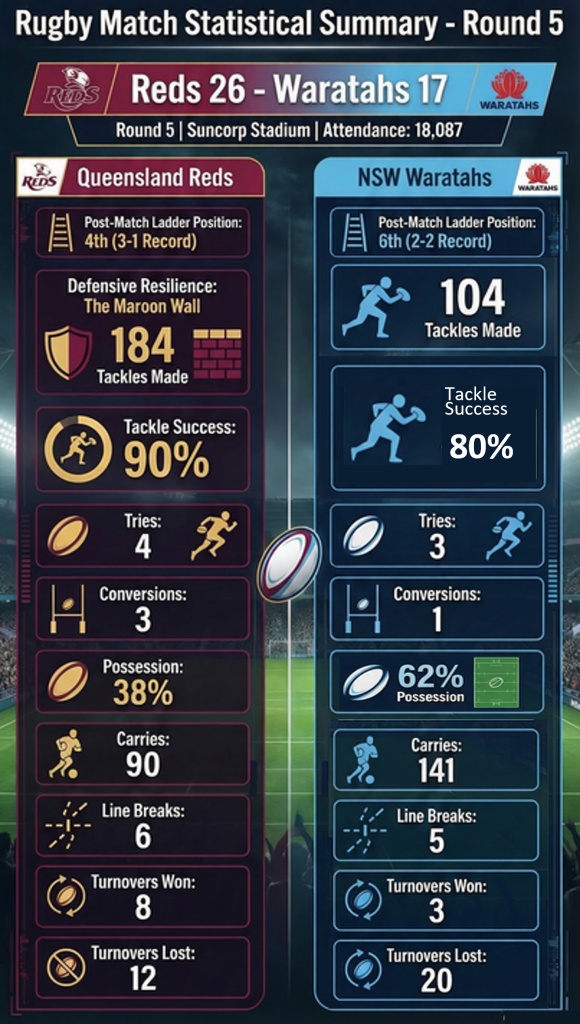
Five tries in the final 20 to 22 minutes carried the Reds to a 26–17 win over their oldest rivals — a third straight victory, revenge for the 36–12 Round 1 loss in Sydney, and the clearest sign yet that this Queensland side is growing up fast.
Another chapter in the 141-year rivalry between Queensland and New South Wales had been written — and this one belonged to the Reds.
The night opened with a flash of attacking promise.
Just seven minutes in, Wallabies captain Harry Wilson crossed for the first try of the night after a Carter Gordon bomb caused confusion in the Waratahs backfield. Jock Campbell swooped on the loose ball and slipped a short pass to Wilson in support for the opener.
The Waratahs answered soon after.
Following sustained pressure on the Queensland goal line, flanker Jamie Adamson burrowed over in the 17th minute to level the score at 7–7.
Then the match locked into a stalemate.
For the next 40 minutes, the contest became a territorial arm-wrestle dominated by box kicks and defence. The Waratahs held the majority of possession and territory, but every time they probed inside the Reds’ half they ran into a wall of maroon jerseys.
By full-time, Queensland had made around 184 tackles compared with just over 100 for New South Wales — a defensive effort that kept the game within reach.
Fraser McReight, Seru Uru and the Reds’ forward pack repeatedly slowed the breakdown and disrupted the Waratahs’ attacking rhythm.
It wasn’t flashy rugby.
But it kept Queensland in the fight.
When the Match Finally Broke Open
The stalemate finally cracked in the 58th minute.
A Waratahs lineout five metres from the Reds’ goal line turned into a driving maul, with reserve hooker Ioane Moananu grounding the ball to give the visitors a 12–7 lead.
After nearly an hour of stalemate, the game suddenly burst into life.
Carter Gordon struck back for Queensland minutes later, finishing off a phase that began with a slicing midfield run to level the score at 12–12.
But the Waratahs responded almost immediately.
Max Jorgensen streaked down the right sideline before toeing the ball ahead toward the corner. The kick bounced dangerously and Harry Potter arrived first to ground it, restoring the Waratahs’ lead at 17–12.
The match had finally opened up. And the Reds were ready.
What had been a tactical chess match was suddenly a free-flowing shootout.
Isaac Henry’s Redemption Moment
With the Waratahs leading and the match entering its final ten minutes, the Reds produced the play that turned the contest.
Attacking from deep inside their own half, Queensland shifted the ball wide before Filipo Daugunu sliced through the defensive line and sprinted into open field.
Forty metres later, he found Isaac Henry in support.
Henry finished the movement beside the posts, completing a spectacular long-range try and giving the Reds a 19–17 lead.
For Henry, the moment carried extra significance.
After a brutal run of injuries involving his foot, hamstring and knee, the try marked a triumphant return for a player many feared might never regain his place in the Reds midfield.
Suncorp Stadium roared.
But the drama was far from over.
The TMO Moment That Flipped the Game
Just minutes later, the Waratahs thought they had stolen the lead.
Centre Triston Reilly launched into a spectacular dive for the corner and appeared to ground the ball for a crucial try. The on-field referee initially awarded it.
Then the Television Match Official intervened.
After reviewing the replay, the try was overturned with the ball ruled to have touched the sideline during the grounding.
Waratahs coach Dan McKellar was left fuming after the match.
“If the referee awards a try, unless it’s clear and obvious, it stays a try,” McKellar argued afterwards.
Instead of taking the lead, the Waratahs were suddenly defending again.
Two minutes later, the Reds delivered the knockout blow.
The Implication of That TMO Moment
The match’s biggest flashpoint came in the 73rd minute with the Reds leading 19–17.
Waratahs centre Triston Reilly launched into an acrobatic dive in the right corner
that initially looked like the go-ahead try. Referee Ben O’Keeffe awarded it on-field
before the Television Match Official called for a review.
After multiple replays, the TMO overturned the decision, ruling that the ball had
touched the sideline as Reilly grounded it. It was a razor-thin call in a game
already balanced on the smallest of margins.
Waratahs coach Dan McKellar later questioned whether the footage met the
“clear and obvious” threshold required to reverse the original decision, arguing
the benefit of doubt should remain with the attacking side.
The timing made it decisive. Had the try stood, NSW would have taken the lead with
only minutes remaining. Instead, the Reds held on in that moment — and two minutes
later Carter Gordon’s long-range try sealed the result.
Carter Gordon Slams the Door
Moments after surviving the Waratahs’ late surge, the Reds delivered the decisive blow.
Taking the ball near halfway, Carter Gordon spotted space and accelerated through the defensive line.
The fly-half beat multiple defenders and then simply outran Wallabies teammate Harry Potter to the corner in a stunning 55-metre sprint.
The try pushed the Reds to a 26–17 lead with only minutes remaining and effectively sealed the contest.
It was Gordon’s second try of the night and the defining moment of a dramatic finish.
Round 5 Highlights
Defence Built the Victory
The highlight reels will focus on the final-quarter fireworks.
But Queensland’s win was built on defence.
Despite having significantly less possession, the Reds absorbed enormous pressure throughout the first hour and refused to let the Waratahs build a decisive lead.
Coach Les Kiss later praised his side’s composure and resilience under that pressure.
When the game finally opened up, the Reds were ready to strike.
Another Chapter in the Rivalry
The victory gives Queensland three consecutive wins after their opening-round loss to the Waratahs and strengthens their push toward the top end of the Super Rugby Pacific ladder.
More importantly, it reinforced the identity this Reds team is beginning to build — a side capable of defending relentlessly before unleashing its attacking weapons when opportunities appear.
Next week brings a very different challenge with a trip to Fiji to face the Drua.
But on Saturday night in Brisbane, the Cauldron belonged to the Reds once again.
And the oldest rivalry in Australian rugby delivered another unforgettable chapter.
Published 15-March-2026
MATCH PREVIEW
Red-Hot Rivalry: 6 Things to Watch For as Queensland Reds Host NSW Waratahs at Suncorp
Published 13-March-2026
The Cauldron is about to boil again.
On Saturday night, the Queensland Reds and NSW Waratahs collide at Suncorp Stadium in the latest chapter of Australian rugby’s oldest interstate rivalry — a clash fuelled by revenge, returning teammates, and a Reds side determined to prove it can finish what it starts.
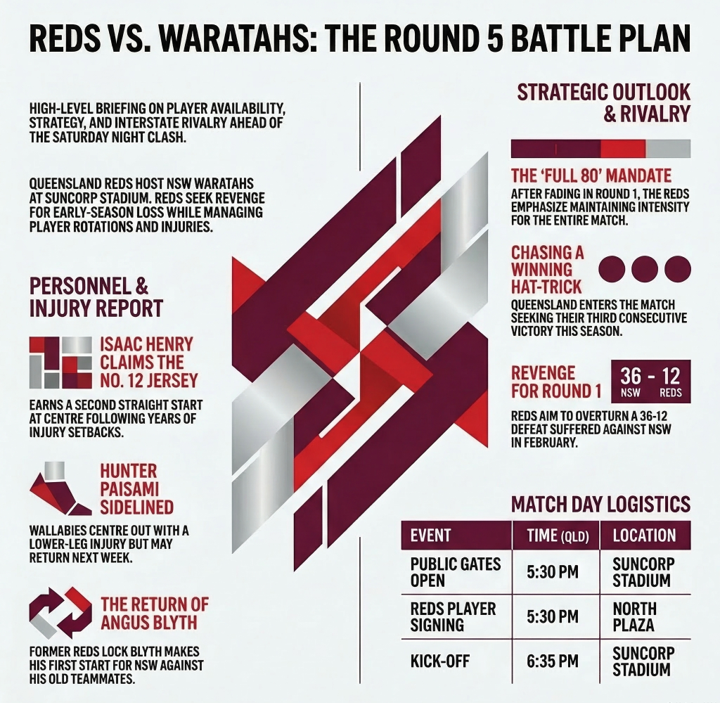
Queensland enter Round 5 of the Swyftx Super Rugby Pacific season chasing a third straight victory and redemption for the 36–12 defeat the Waratahs handed them in Round 1. But the visitors arrive wounded after last week’s heavy loss to the Hurricanes, making them a dangerous opponent in a fixture where form rarely matters.
Match Details
Swyftx Super Rugby Pacific – Round 5
Saturday, 14 March 2026 | Suncorp Stadium
Kick-off: 6:35pm AEST Live Broadcast on Stan Sport
What’s at Stake
For the Reds, Saturday night is about proving their growth since the opening round loss in Sydney. Coach Les Kiss believes the side is still building toward its best rugby, and the challenge now is turning promising stretches into a complete 80-minute performance.
For the Waratahs, the equation is simpler: respond. After a heavy defeat last week, they arrive in Brisbane desperate to reset their season in the one fixture that always carries extra meaning.
Before the whistle blows, here are the six key storylines shaping Saturday night’s showdown.
1. The Longest Rivalry in Australian Rugby
Queensland versus New South Wales has always been more than just another match on the Super Rugby calendar. It is widely regarded as the longest-running interstate rivalry in Australian rugby, stretching back more than a century.
Every meeting carries an undercurrent of pride that rarely shows up on the ladder. The colours may be maroon and sky blue, but the emotions are unmistakably tribal.
Suncorp Stadium — known to Reds fans as the Cauldron — has hosted countless chapters of this rivalry. When Queensland runs out on Saturday night, they will not just be chasing competition points; they will be defending state pride.
2. Angus Blyth Returns to the Cauldron — As the Enemy
One of the most intriguing subplots surrounds Wallabies lock Angus Blyth.
After nine years in the Reds system, Blyth switched sides at the end of last season to join the Waratahs. His first start for New South Wales now comes in Brisbane — against the teammates he once called brothers.
Reds lock Lukhan Salakaia-Loto acknowledged the unusual situation during the week.
“He’s a good friend of mine and was an awesome servant for Queensland rugby over the time he was here,” Salakaia-Loto said.
“But as soon as we cross that white line, there are no friends on that field.”
The emotional return adds another layer of intensity to a fixture that already carries plenty of history.
3. Isaac Henry’s Long Road Back
While Blyth returns as a rival, another storyline focuses on a player finally getting his opportunity.
Centre Isaac Henry has endured a brutal run of injuries over the past few seasons, including serious setbacks involving his foot, hamstring and knee. Now the 27-year-old finds himself starting at inside centre for the second consecutive week.
With Hunter Paisami sidelined by a lower-leg injury, Henry has stepped into the No.12 jersey and impressed Reds coach Les Kiss with his resilience and versatility.
For a player who once risked being forgotten in a crowded midfield, Saturday night represents another chance to cement his place.
4. Revenge for the Round 1 Defeat
The Reds have unfinished business with the Waratahs.
Back in Round 1, New South Wales handed Queensland a comprehensive 36–12 defeat in Sydney. The Reds were competitive for long periods before fading badly in the final quarter.
That collapse has become a motivating factor inside the Reds camp.
Players have spoken openly this week about the need to deliver a full 80-minute performance if they are to compete with the competition’s top teams. Saturday night provides the opportunity to show how much the side has improved since that early-season setback.
5. Waratahs Arrive Wounded
The Waratahs travel north under pressure after a brutal 59–19 loss to the Hurricanes last week.
Despite that result, the Reds know they cannot afford to take New South Wales lightly. The Round 1 clash showed how quickly the Waratahs can punish mistakes and shift momentum.
Reds captain Fraser McReight expects a fierce response from the visitors.
“They’re definitely going to be coming out swinging,” he said earlier this week.
That combination of desperation and rivalry could make the Waratahs particularly dangerous on Saturday night.
6. The Rivalry Starts Long Before Kick-Off
The Queensland–NSW rivalry does not begin at Super Rugby level — it starts much earlier.
Earlier on Saturday afternoon, the Reds Under-18s face the Waratahs Under-18s at Bottomley Park in Brisbane, giving the next generation of players their own taste of the interstate battle.
Young Reds outside centre Taione Taka has already experienced several clashes with New South Wales at junior level and says every meeting carries extra significance.
“It’s a great rivalry to have in Australian rugby,” he said.
For players coming through the system, these matches ensure the Queensland–NSW rivalry remains deeply embedded long before they reach the professional stage.
A Rivalry That Rarely Disappoints
Everything is set for another memorable night at Suncorp Stadium.
A returning former Red, a resurgent centre claiming his opportunity, and a Queensland side determined to erase the memory of Round 1 all add layers of intrigue to the contest.
The Waratahs may arrive bruised, but rivalry games have a habit of ignoring form lines.
When the whistle blows at 6:35pm, the Cauldron will decide the next chapter in one of Australian rugby’s fiercest battles.
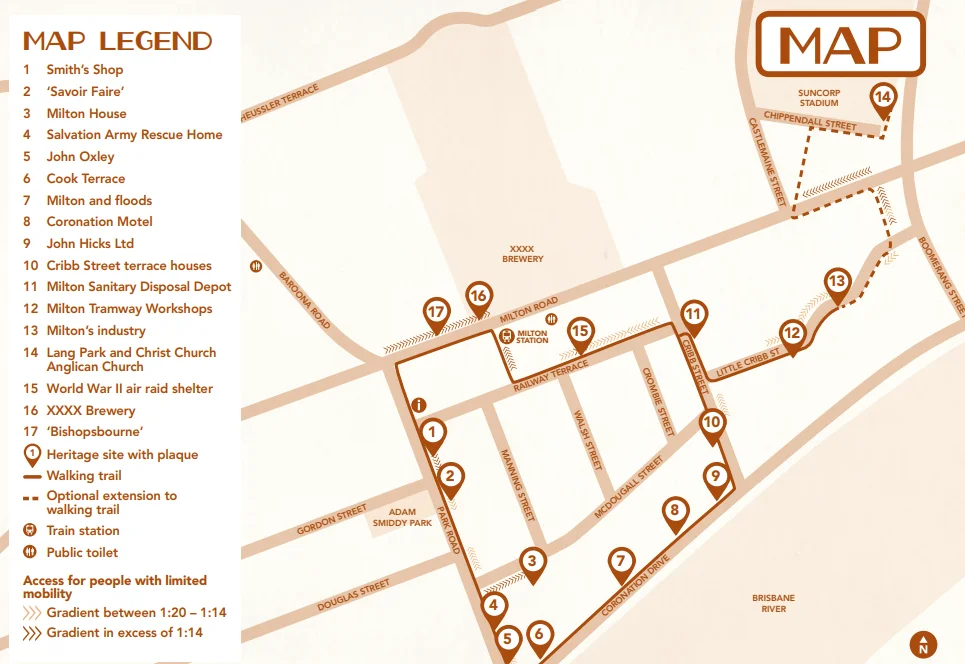
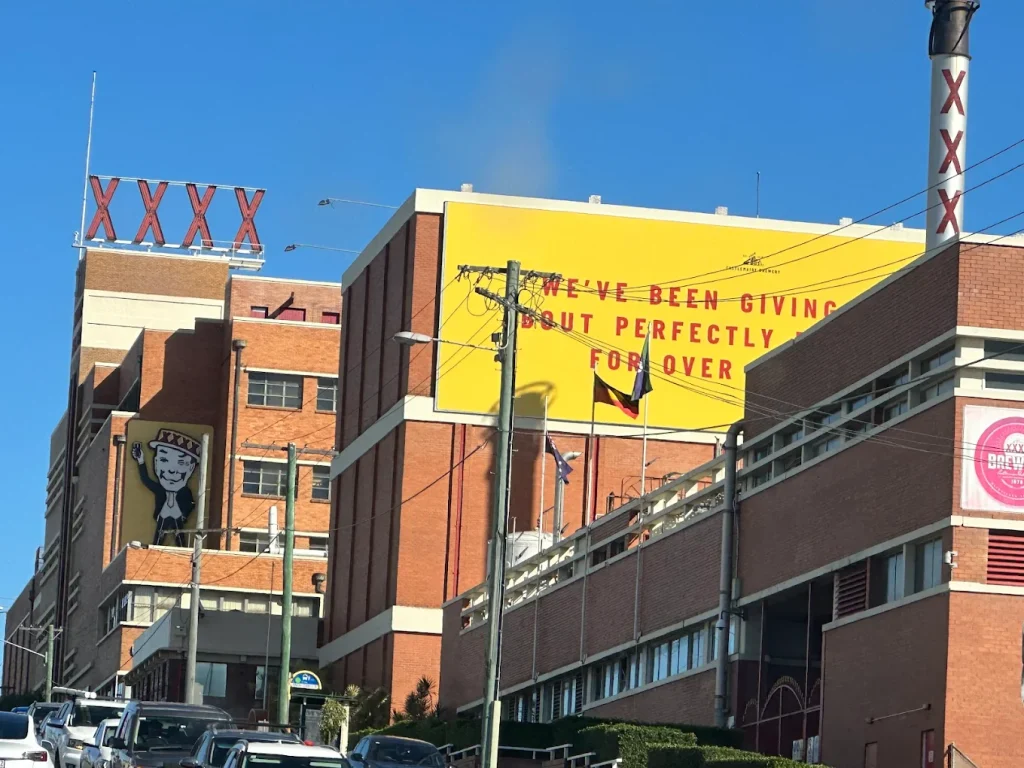
The Milton Heritage Trail links 17 stops, from a 19th century shop-house to the XXXX Brewery, tracing Milton’s shift from farms to today’s dining and sport hub.
Built in 1888, Smith’s Shop is a rare example of a 19th century timber shop-house. It once hosted a cab business and millinery, reflecting how trades and homes shared space in Milton’s early years.
Savoir Faire
Savoir Faire opened in 1988 during Expo ’88 as Brisbane’s first alfresco dining precinct, designed by James Wharton and Roger Parkin. With brick paving, palm trees and an Eiffel Tower replica, it introduced European-style street life to Milton.
The precinct became a hub for festivals and multicultural events, while cafés like La Dolce Vita gave locals a new public space. In 2025, Brisbane Open House featured tours and performances at Savoir Faire, highlighting its lasting cultural impact.
Milton House
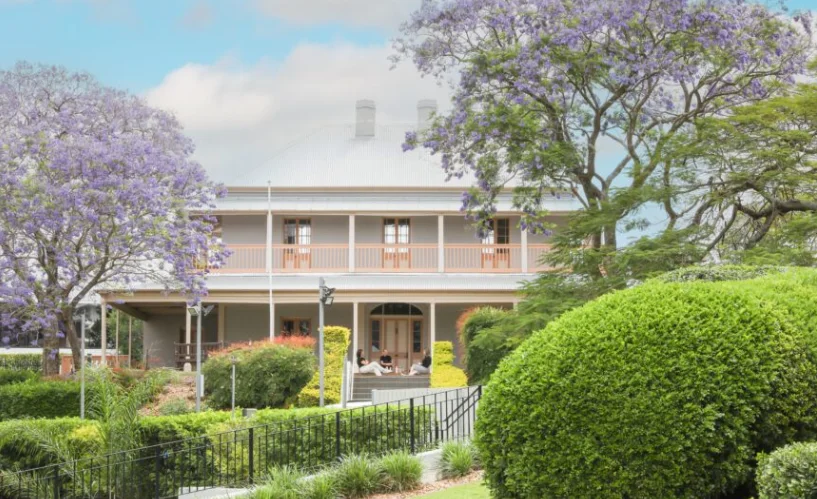
Milton House, built in 1853 for chemist Ambrose Eldridge, is one of Brisbane’s oldest Colonial Georgian homes. Originally a 30-acre homestead, it later housed women students under the Presbyterian Church. In the 20th century, it became part of the Kings Row Office Park.
Listed on the Queensland Heritage Register in 1992, it has since undergone restoration to preserve its character. The house is rarely open, but during Brisbane Open House 2025 it offered self-guided tours to the public.
Salvation Army Rescue Home
From 1888, the Salvation Army Rescue Home sheltered vulnerable women and single mothers when public support did not exist. Operated by female “Rescue Sisters,” it provided medical care, domestic training and safety.
John Oxley
Surveyor John Oxley mapped this reach of the Brisbane River in 1823 and 1824. His journals identified Western Creek as suitable for settlement, placing Milton at the origins of Brisbane’s European history.
Cook Terrace
Cook Terrace was built in 1888–89 as a row of Victorian rental houses. Once prestigious riverfront addresses, the terraces later declined before being restored in the 1980s for commercial use.
Milton and Floods
Milton has always been flood-prone. The 1893 disaster displaced hundreds of residents, and in 2011 floodwaters again inundated the suburb, reaching the brewery and Suncorp Stadium.
Coronation Motel
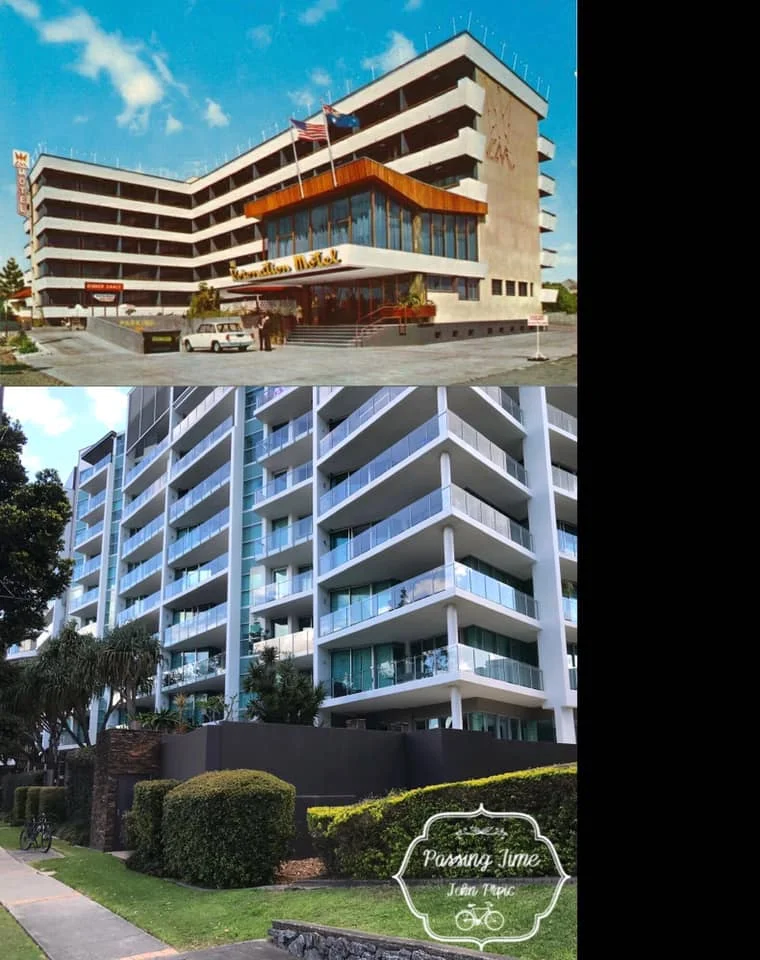
Opened in 1964, the Coronation Motel became one of Brisbane’s most fashionable venues. With underground parking, a pool and celebrity guests, it marked the rise of postwar motoring culture.
The Hixco furniture factory opened in 1911, producing fine Queensland timber furniture. Its presence underlined Milton’s early reputation for industry and craftsmanship.
Cribb Street Terrace Houses
Two rows of Victorian terrace houses were built between 1887 and 1890 along Cribb Street. They provided working-class housing before being demolished in the 1960s after repeated flooding.
Milton Sanitary Disposal Depot
Operating until 1949, the depot processed sewage and burned rubbish, its chimney a landmark on Cribb Street. It reflected the challenges of sanitation before modern sewerage systems.
Milton Tramway Workshops
From 1930, the workshops maintained Brisbane’s trams and during World War II also produced equipment and dummy guns. The site tied Milton to both transport and wartime contributions.
Milton’s Industry
Factories thrived in Milton through the 20th century. Morrows’ Biscuit Factory, which later merged into Arnott’s, filled the suburb with the smell of baking until production shifted in the 1990s.
Lang Park and Christ Church Anglican Church
This site began as Brisbane’s first cemetery before becoming Lang Park and later Suncorp Stadium. Beside it, Christ Church, built in 1891, remains a leading example of Queensland timber church design.
Photo Credit: Wikimedia Commons
World War II Air Raid Shelter
The concrete air raid shelter on Railway Terrace reflects fears of Japanese attack after 1942. Built by council, it was designed to later serve as a bus shelter, a reminder of wartime planning.
XXXX Brewery
The XXXX Brewery has brewed on Milton Road since the 1870s, producing one of Queensland’s most recognised beers. Its red brick tower and neon sign are listed heritage features.
Photo Credit: Wikimedia Commons
In 2025, a court approved the brewery’s plan to expand ethanol storage with three new 40,000-litre tanks, despite opposition from the Anglican Church. Lion, the brewery’s owner, also pledged a $5 million investment to support new drink lines, including seltzers.
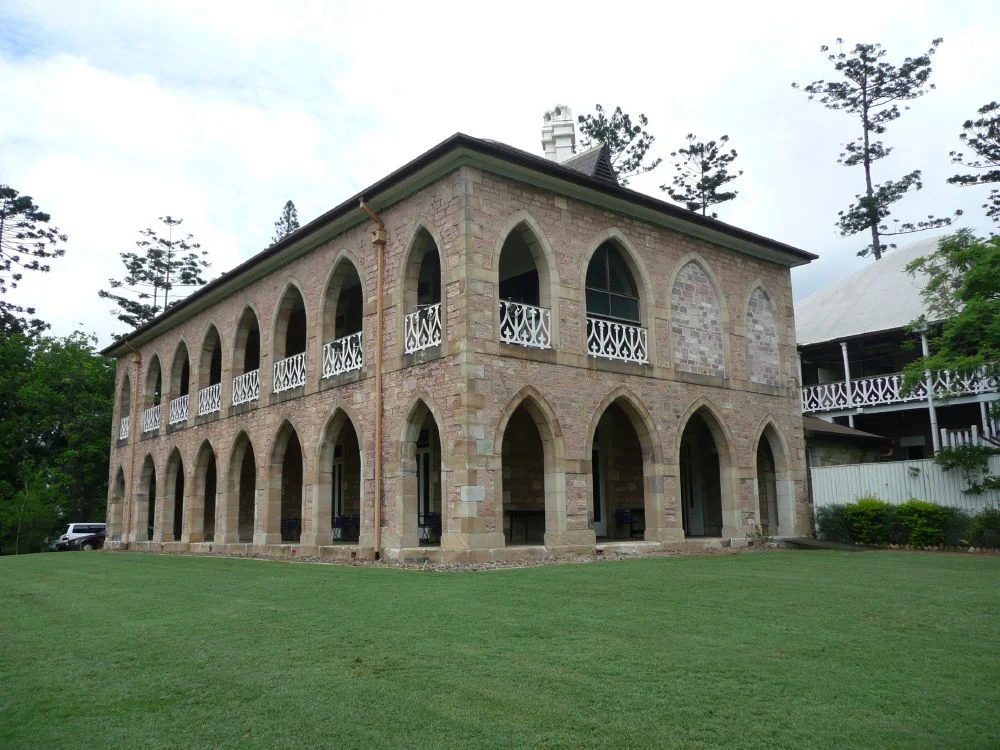
Bishopsbourne
Built in the 1860s for Brisbane’s first Anglican bishop, Bishopsbourne became home to St Francis’ Theological College. Its chapel, designed by architect Robin Dods, remains a highlight of the grounds.
Photo Credit: Wikimedia Commons
The Anglican Church, which owns the site, opposed the brewery’s ethanol expansion over safety and heritage concerns. The challenge failed in court, but Bishopsbourne remains central to ongoing discussions about balancing heritage with industrial growth nearby.
Balancing Growth and Preservation
Milton faces redevelopment pressures, with towers planned along Coronation Drive and new investment in historic sites. Heritage places like Milton House are being restored, while Cook Terrace and the XXXX Brewery adapt to commercial use.
Reduced ferry services have also changed how people access the area. The Milton Heritage Trail highlights these layers of history, showing how heritage and growth continue to intersect in the suburb.
Let’s not sugarcoat it — that one was there to be won.
For 25 minutes, the Broncos looked like the premiers again. Fast through the middle, line speed up, Walsh carving them up out the back. 20–6 up at Suncorp and the Eels looked on the ropes.
Then Brisbane lost their way.
Missed tackles, penalties, defensive disconnects and a complete momentum swing turned a comfortable lead into a 40–32 loss. Two rounds into the season and the defending premiers are 0–2, still searching for the defensive steel that carried them to the title.
Good teams can lose. Champions sometimes start slow. But blowing a game like this at home is the sort of collapse that forces a hard look in the mirror.
The Broncos can still turn this around. But right now the truth is simple — they’re not playing like a premiership side for 80 minutes.
The opening half hour showed exactly what Brisbane can be when things click.
The Broncos dominated field position early, forcing repeat sets before Reece Walsh sliced through in the fifth minute for the first try of the season. Kotoni Staggs soon followed off a pinpoint Adam Reynolds grubber, and when Payne Haas crashed through in the 26th minute, Brisbane were cruising at 20–6.
Then it unravelled.
Parramatta found momentum and Brisbane’s left edge couldn’t hold. In the space of five minutes before halftime the Eels crossed three times, flipping the game completely and taking a 22–20 lead into the sheds.
The second half turned into a shootout.
Staggs scored again off an Ezra Mam chip kick to level things up, and Walsh produced a piece of magic with a chip-and-chase try to put Brisbane back in front.
But every Broncos surge was answered.
With the game in the balance, Jonah Pezet controlled the key moments — setting up Sean Russell with a grubber before sealing the result himself when he chased down his own kick in the dying minutes.
The final score: Parramatta 40, Brisbane 32 in a chaotic 12-try contest.
Round 2 Analysis: What Went Wrong (and Right)
For the Broncos
Edge defence exposed
Parramatta repeatedly attacked Brisbane’s left side and found space between Ezra Mam, Jack Gosiewski and Aublix Tawha. Once the Eels got momentum they scored quickly and easily through that channel.
Walsh: brilliance and errors
Walsh produced moments only he can — two spectacular tries and several dangerous runs. But there were costly mistakes too, including an airswing on a bomb that led directly to an Eels try.
It was a classic rocks-and-diamonds night. Discipline killing them.
Brisbane conceded eight penalties and multiple ruck infringements, repeatedly handing Parramatta field position and back-to-back sets.
In the faster 2026 game those momentum swings are brutal. Teams defending repeat sets eventually crack.
For the Eels
Pezet ran the show
The Eels five-eighth had a breakout game — two tries and several try assists, constantly targeting the Broncos defensive line with grubbers and short balls.
In an ironic twist, he will be wearing Broncos colours in 2027.
On Thursday night he picked them apart.
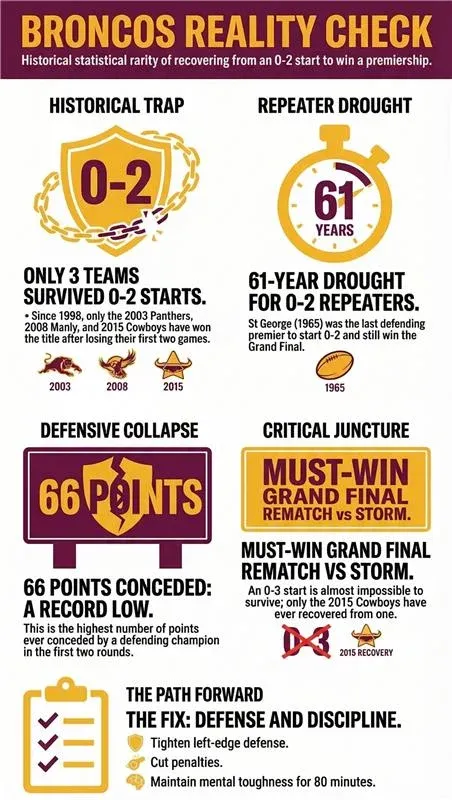
The Historical Lens: Is the Season Over?
It is still March — but Brisbane have given themselves work to do.
Two rounds in and the Broncos have already conceded 66 points, a sign their defensive structure and discipline are not where they need to be.
The attack still has strike — they proved that by scoring 32 points against Parramatta — but premiership sides do not concede 40 and expect to win.
The case for optimism
There are still reasons to believe the Broncos can steady the ship.
Coach Michael Maguire pointed to the opening 20 minutes as proof of what the side is capable of when they execute their game plan.
“We showed for 20 minutes what we’re capable of doing… but it’s an 80-minute game,” Maguire said post-match.
Prop Payne Haas delivered a similar message of perspective.
“You don’t win premierships in March,” he said, while acknowledging the team must fix its bad habits quickly.
Reinforcements are also on the horizon, with back-rower Brendan Piakura expected to return soon to help stabilise the edge defence.
What must change
The fixes are not complicated; but they are urgent.
First, the Broncos must find 80-minute toughness. Strong starts are meaningless if the intensity drops once momentum swings. That has happened in both games to start the season.
Second, the defence has to tighten, particularly on the edges. Parramatta repeatedly targeted Brisbane’s left side and found space far too easily. Premiership teams don’t concede points in bunches like that.
Finally, game management will be critical, especially if Adam Reynolds misses time with a rib injury. Without their on-field organiser late against Parramatta, Brisbane looked short on direction. If Reynolds is sidelined, another voice — likely Ben Hunt — will need to steer the side through the high-tempo pace of the modern NRL.
Heading into Round 3: The Path to Redemption
Next up is a grand final rematch against Melbourne.
It is about as tough a response game as you can get.
For the Broncos the formula is simple.
Tighten the defence. Cut the penalties. Play the full 80 minutes.
Because if Brisbane keep giving teams momentum the way they did against Parramatta, the hole will only get deeper.
Published 13-March-2026
PRE-GAME PREVIEW
Published 11-March-2026
Broncos Return to the Cauldron Seeking Redemption Against the Eels
The schlacking by the Panthers was a massive wake up call for the Broncos but let’s not kid ourselves, they were very ordinary for 30% of last season and gradually found their 5th gear to beat all-comers.
The eery silence that filled the ground towards the end of the game, is not something Madge and the boys will ever want to hear again.
The Parramatta Eels arrive in Brisbane carrying wounds of their own after a heavy Round 1 loss to Melbourne, meaning both sides enter the contest desperate for their first win of the 2026 season.
In front of another expectant Suncorp Stadium crowd, the match has quickly become more than just another early-round fixture. It is a test of response, resilience and pride.
Match Snapshot
Broncos vs Eels Round 2 — Thursday, March 12 7:00pm AEST | Suncorp Stadium Channel 9 / Fox League / Kayo
Coach Michael Maguire has resisted the urge to panic after the Round 1 defeat, naming largely the same 17 to face Parramatta. Ezra Mam has again been listed at five-eighth with veteran Ben Hunt on the bench in a flexible playmaking rotation that could shift during the match.
The Broncos remain without back-rower Brendan Piakura as he continues recovering from a knee injury.
Blake Mozer, Delouise Hoeter and Thomas Duffy have been added to the extended squad as the club maintains depth across the roster heading into the short turnaround.
Despite the disappointment against Penrith, Maguire’s message has been clear: improvement will come through execution rather than sweeping changes.
Paramatta Eels
Parramatta travel north boosted by the return of winger Josh Addo-Carr from a thumb injury. His inclusion pushes Sean Russell into the centres and adds pace to the Eels’ backline.
However, the Eels will be without forward J’maine Hopgood, who is serving a suspension following the opening-round defeat to Melbourne.
Coach Jason Ryles has reshuffled his pack accordingly, with Jack Williams moving into the starting front-row and Kelma Tuilagi promoted to the starting side.
Broncos Reality Check
Broncos fans know last week simply wasn’t good enough.
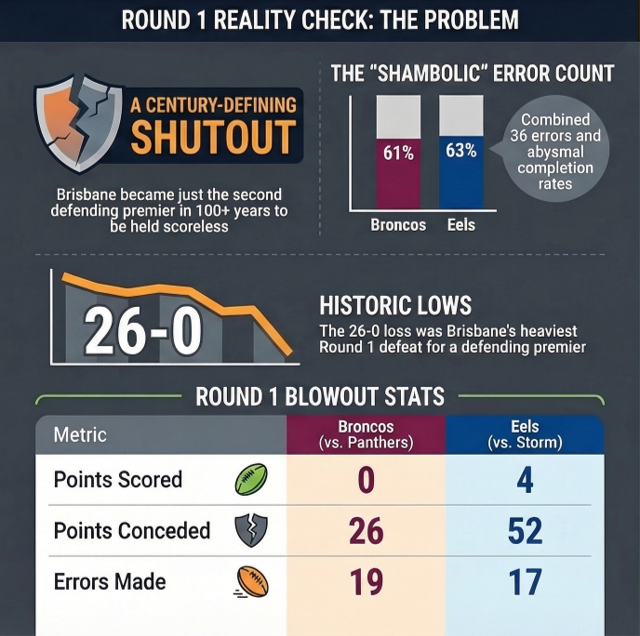
Brisbane completed just 61 percent of their sets and produced 19 errors against Penrith — numbers that made sustained attacking pressure almost impossible.
For a side built on momentum through the middle and quick attacking shifts from players like Reece Walsh and Ezra Mam, that lack of control proved fatal.
The encouraging sign for Brisbane supporters is that premiership teams rarely stay down for long. Thursday night now becomes an opportunity to reset their standards.
Key Match-Up
Adam Reynolds vs Mitchell Moses
The tactical battle between the two veteran halfbacks could ultimately shape the contest.
Reynolds controls Brisbane’s tempo with precise kicking and field positioning, while Moses provides Parramatta with one of the NRL’s most dangerous long-range kicking games.
Whichever playmaker wins the territorial battle will give their side the platform to attack.
Players to Watch
Several Broncos will be under the spotlight as Brisbane looks to reignite its attack.
Reece Walsh
The Broncos fullback is rarely quiet two weeks in a row. Expect Walsh to be heavily involved as Brisbane look to ignite their attack through broken play and quick shifts.
Adam Reynolds
The veteran halfback remains the organiser of Brisbane’s attack. His kicking game and calm decision-making will be critical against an Eels side led by Mitchell Moses.
Xavier Willison
With Payne Haas set to depart the club in the future, young forward Xavier Willison is increasingly viewed as part of Brisbane’s long-term middle-forward leadership. The New Zealand representative has credited Haas as a key mentor as he continues to develop his game.
3 Questions for the Broncos
Can the discipline improve?
Brisbane’s 19 errors and low completion rate against Penrith prevented the Broncos from building any sustained pressure. Reducing those mistakes will be the first step toward rediscovering their attacking rhythm.
Will the Reynolds–Mam combination click?
The halves pairing remains central to Brisbane’s structure. If Adam Reynolds can control territory and Ezra Mam finds space to attack, the Broncos’ backline suddenly becomes far more dangerous.
How will the forwards respond?
The Broncos’ premiership run was built on dominance through the middle. Payne Haas, Patrick Carrigan and the forward pack will be expected to set the tone early against a Parramatta side missing key enforcer J’maine Hopgood.
Broncos vs Eels: What are the odds?
Bookmakers have installed Brisbane as strong favourites heading into Thursday night, reflecting the Broncos’ home advantage and overall roster strength.
Several analysts expect the defending premiers to respond strongly, predicting a comfortable victory if Brisbane rediscover their discipline and attacking rhythm.
The Stakes
For the Broncos, Thursday night is about more than two competition points.
It is about restoring confidence, re-establishing standards and reminding the competition why Brisbane lifted the premiership trophy only months ago.
The Cauldron has seen countless Broncos redemption stories over the years.
On Thursday night, Suncorp Stadium will be expecting another one.
Milton’s Suncorp Stadium will be permitted to host up to 21 concerts in 2026 under a one-year trial, increasing the number of live music dates at the inner-city venue.
The annual concert limit at Suncorp Stadium has risen from 12 to 21 for 2026 following a temporary amendment to the Major Sports Facilities Regulation 2014.
The cap had previously doubled from six to 12 after an earlier trial period. The latest change is set to operate for one year, after which it may be reviewed.
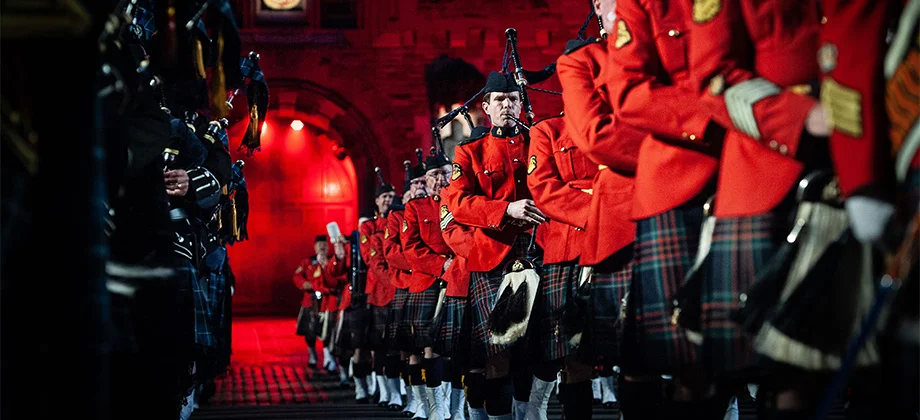
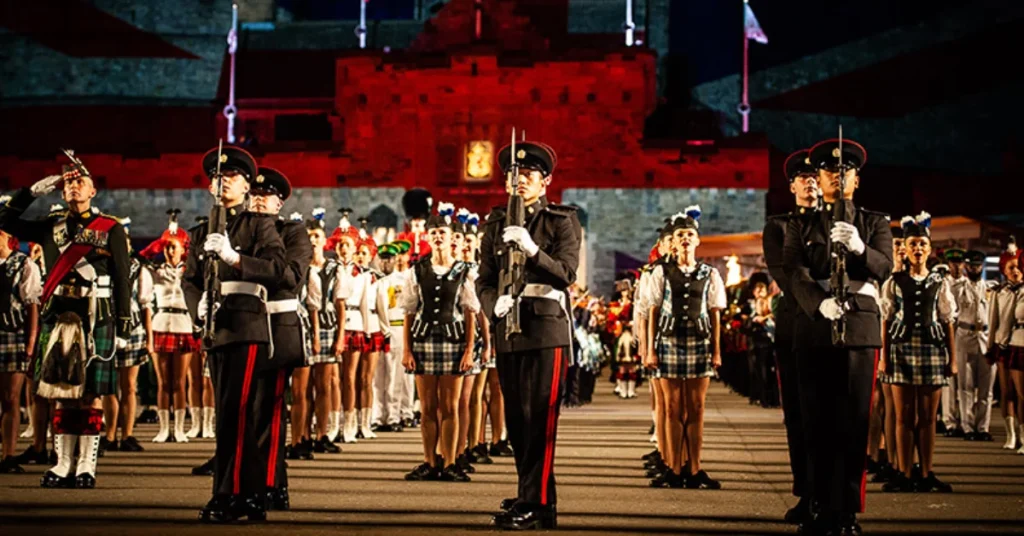
Suncorp Stadium is expected to welcome around 250,000 patrons across approximately one and a half weeks as it hosts the Australian exclusive of The Royal Edinburgh Military Tattoo and three concerts by Ed Sheeran.
Photo Credit: Suncorp Stadium
Impact On Sporting Fixtures
The expanded Milton Suncorp concerts schedule coincides with major sporting competitions held at the venue.
Brisbane Roar relocated its February 28 A-League Men match against Perth Glory to Kayo Stadium in Redcliffe following concerns about pitch recovery after recent major events and ahead of the Ed Sheeran shows.
A stadium spokesperson previously stated that while the field would be prepared in time for the Queensland Reds v Highlanders match, extended flooring coverage can affect grass coverage and appearance in ways that may impact certain football codes differently.
Brisbane Roar has experienced fixture adjustments in previous seasons, including missing the opportunity to host a home Australia Cup final in 2023 due to venue availability.
The Super Rugby season also overlaps with the peak concert period. However, the Queensland Reds have indicated they do not intend to shift fixtures away from Suncorp Stadium.
Photo Credit: Suncorp Stadium
Operations And Community Response
Concert staging at Lang Park can involve temporary generators, significant bump-in and bump-out processes and street closures to support production requirements.
Sample polling conducted last year found 56 per cent of nearby residents were open to raising the concert cap. Public comments have also highlighted concerns about sound levels, consultation processes and public transport access.
In Milton, the NRL season starts before the first whistle.
On Friday night, March 6, the lights will rise over Suncorp Stadium as the Brisbane Broncos launch their premiership defence against the Penrith Panthers — and once again, the spiritual home of rugby league in Queensland will sit at the centre of the NRL world.
The Broncos arrive as defending 2025 premiers, having broken their title drought last season with a grand final win over the Melbourne Storm. Now, the challenge is sustaining that success under head coach Michael Maguire, who enters his second season in charge after delivering silverware in his first year at the helm.
Captain Adam Reynolds continues to steer the side with experience and composure, while dynamic fullback Reece Walsh returns after a Clive Churchill Medal performance in the 2025 Grand Final.
In the halves, Reynolds combines with Ezra Mam to give Brisbane speed and unpredictability on the edges, while the forward platform built around Patrick Carrigan remains central to the club’s defensive identity.
There are changes around the edges. Selwyn Cobbo has moved to the Dolphins for 2026, Kobe Hetherington has joined Manly, and veteran Martin Taupau retired at season’s end. New additions including Grant Anderson, Tom Duffy and Aublix Tawha add depth as Brisbane reshapes its rotation.
Hooker Billy Walters is recovering from an ACL injury and is expected to miss the early rounds, while Brendan Piakura is listed as targeting a Round 3 return.
Round 1: Under Lights at Lang Park
The 2026 campaign opens with a preliminary final rematch that already carries narrative weight.
Broncos CEO Dave Donaghy said in a club statement last year the club could not have scripted a better start.
“There’s no better way to start 2026 than under lights at Suncorp Stadium, in front of our members and fans,” Donaghy said.
“No one could forget that energy and atmosphere at home against Penrith in the prelim – it was one of those defining Broncos’ moments.
“To open the new season against Penrith, at home, that’s the kind of stage we want and will set the tone for 2026.”
Penrith also enter the season among the premiership contenders, with halfback Nathan Cleary cleared to play in the season opener following a successful judiciary challenge earlier this month.
For Milton, it means a Friday night crowd, a national television audience, and the first major sporting event of the NRL calendar played on home soil.
Three of Four at Home
Brisbane’s early draw ensures Suncorp Stadium will feature heavily in the opening month:
Round 1 – Friday, March 6: Panthers (Suncorp Stadium) Round 2 – Thursday, March 12: Eels (Suncorp Stadium) Round 3 – Friday, March 20: Storm (AAMI Park) Round 4 – Friday, March 27: Dolphins (Suncorp Stadium)
Three home games in the first four rounds provide the Broncos with a chance to establish momentum in front of strong attendances — and for the Milton precinct to settle back into its familiar game-day pulse.
Projected Round 1 Outlook
Official team lists are confirmed in the week of each match, but based on trial form and 2025 combinations, a projected Round 1 line-up could resemble last year’s premiership backbone.
Walsh at fullback, Reynolds and Mam in the halves, Carrigan anchoring the middle, and a forward rotation including Payne Haas, Corey Jensen and Jordan Riki would represent continuity rather than overhaul. Interchange roles may feature emerging forwards such as Xavier Willison and Ben Talty alongside new recruit Aublix Tawha.
The emphasis is stability — not reinvention.
A Big Year for Suncorp
Beyond Round 1, Suncorp Stadium will again host some of the sport’s biggest fixtures in 2026. For Milton, that means a sustained calendar of major events stretching well beyond the premiership season.
Magic Round returns from May 15–17. State of Origin Game III is scheduled for July 8 at Suncorp, with Women’s State of Origin Game II to be played in Brisbane on May 14. The Broncos NRLW side opens its home campaign at Suncorp on July 4 as part of a double-header. Later in the year, Brisbane will host the Men’s and Women’s Rugby League World Cup Finals on November 15.
For residents and business owners around Castlemaine Street and Caxton Street, the Broncos’ title defence isn’t a distant storyline — it plays out at the end of the road, amidst a weekly rhythm that defines Brisbane’s winter sporting calendar.
The Broncos are favourites — and deservedly so after 2025.
But in rugby league, favourites are hunted.
On March 6, under lights at Suncorp, Milton will once again become the epicentre of Queensland rugby league as the chase for back-to-back titles begins.
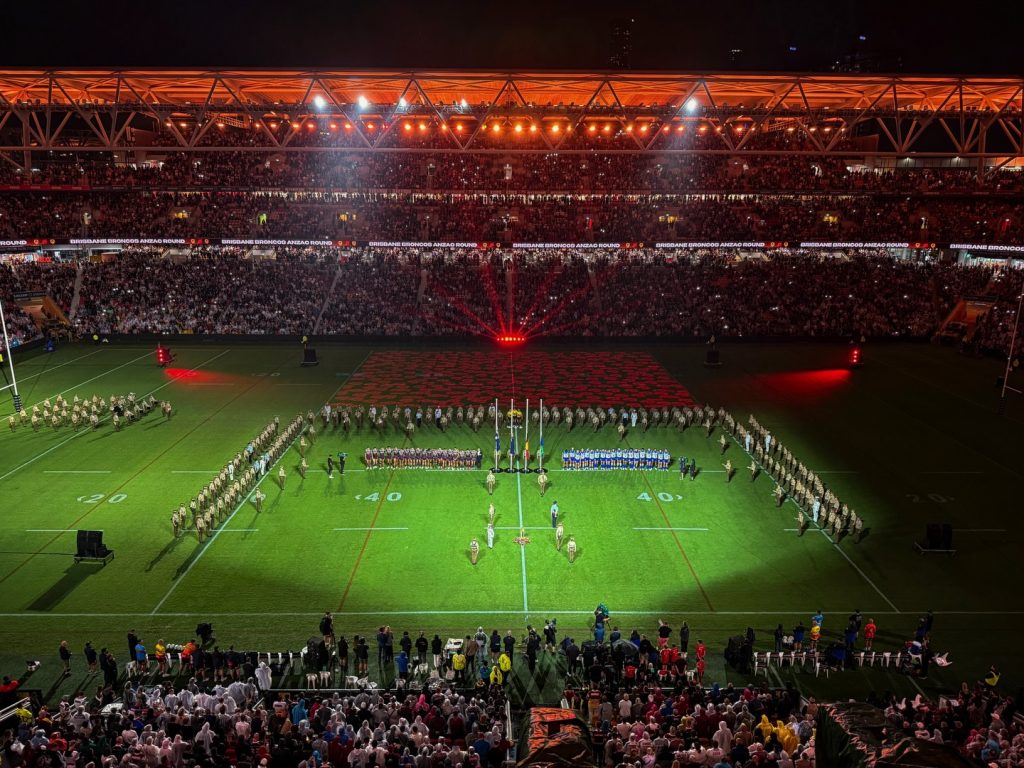
More than 1,000 performers from 13 countries have descended on Milton this week as the Royal Edinburgh Military Tattoo brings its 75th anniversary milestone show exclusively to Suncorp Stadium from February 12 to 15, marking the first time any act has delivered four consecutive nights at the iconic venue.
Over 800 musicians flew into Brisbane over the weekend to join the globally diverse cast for “The Heroes Who Made Us,” the Tattoo’s 75th anniversary production celebrating the heroes who have shaped and supported the iconic performance over 75 years. The four-night exclusive Brisbane season represents the Tattoo’s first visit to Queensland and one of its most ambitious international stadium productions to date.
Creative Director Alan Lane said transforming over 1,000 cast members into one seamless production in just a few days is the unique challenge that defines the Tattoo. The cast has been undertaking intensive full-scale rehearsals at Suncorp Stadium this week, bringing together military bands, cultural groups, dancers, drummers and pipers, many performing together for the very first time.
Record-Breaking Economic Impact for Milton and Brisbane
The 75th anniversary event is expected to deliver an estimated $39 million economic impact to Queensland, with over 38,000 Tattoo fans traveling from interstate and overseas to attend the Milton performances. Demand has remained exceptionally high, with new ticket releases made available as the show dates approach.
Brisbane Airport CEO Gert-Jan de Graaff said the airport has never seen this much tartan on its tarmac, with the gateway playing a vital role in welcoming performers and supporting the logistics that make world-class cultural events possible.
Caxton Street Transforms Into Royal Mile
On Friday, February 13 at 5pm, Brisbane’s Caxton Street will transform into the Royal Mile as marchers from across Brisbane join pipers and drummers from the Tattoo in a ceremonial march down to Suncorp Stadium. The event kicks off at the top of Caxton Street with a big blow by the bagpipers at 6pm, creating a proper welcome for the 75th anniversary performances.
The march celebrates Brisbane hosting a world-record four shows of the Tattoo at Suncorp Stadium, an achievement that organisers say deserves proper fanfare. Residents and visitors are invited to bring energy and noise to make history alongside the international performers.
Globally Diverse Cast Brings 75th Anniversary Show to Life
More than 30 bands and cultural groups will perform in “The Heroes Who Made Us,” including UK Military Bands from the Royal Navy, British Army and Royal Air Force, the Combined Military Bands of the Australian Defence Force, Queensland Police Pipe Band, Western Australia Police Pipe Band, Australia’s Federation Guard, His Majesty the King of Norway’s Guard Band and Drill Team, Japan Air Self-Defense Force Central Band, His Majesty’s Armed Forces The Royal Corps of Musicians Tonga, Top Secret Drum Corps, United States Marine Drum and Bugle Corps, and Brisbane Boys’ College Pipe Band.
Representing Australia, New Zealand, Canada, Japan, Norway, Switzerland, Tonga, the United Kingdom, the United States and more, the cast creates one of the most globally diverse lineups ever assembled for an international Tattoo production.
Brisbane’s First Hosting of Iconic Scottish Tradition
Renowned for stirring music, military precision, cultural displays and dramatic performances set against the backdrop of Edinburgh Castle, the Royal Edinburgh Military Tattoo draws over 230,000 spectators annually in Scotland and over 100 million more worldwide through international broadcasts. Hundreds of thousands attended previous Australian editions in Sydney (2005, 2010, 2019) and Melbourne (2016).
The 75th anniversary performances will draw visitors from across the country, deliver a boost for Milton businesses, and shine a global spotlight on Brisbane as Australia’s lifestyle capital.
The Brisbane season represents the Tattoo’s return to Australia for the first time since 2019. Cutting-edge lighting, immersive sound design and large-scale visual effects will elevate the performance, blending the timeless traditions of the British Armed Forces with modern storytelling and world-class production innovation.
Final tickets for the 75th anniversary performances on 12 February (Thursday), 13 February (Friday), 14 February (Saturday) and 15 February (Sunday) are available through Ticketek.
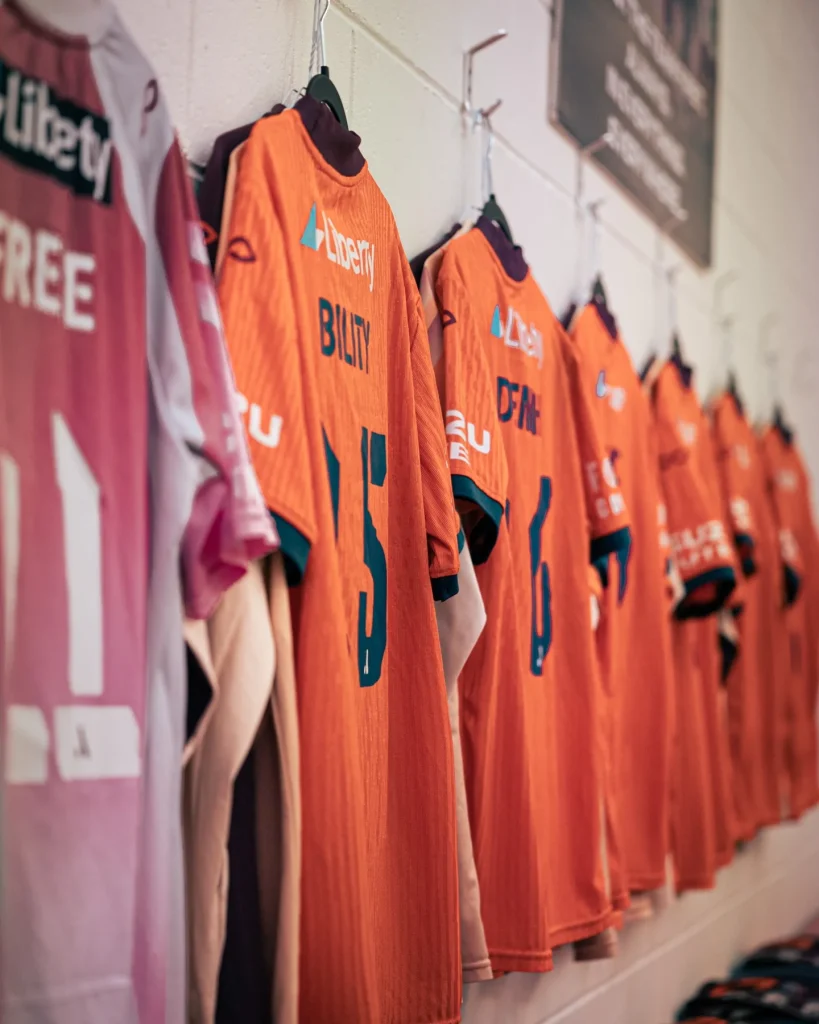
Brisbane Roar has locked in a three-year partnership with Spanish sportswear manufacturer Kelme, guaranteeing a fresh look for the club’s gear starting with the 2026-27 season.
The move sees the Milton-based outfit ditch its previous supplier for Kelme-designed jerseys and training equipment. The rollout will cover the entire club, kitting out the A-League Men’s, Women’s, and NPL Queensland ‘B’ squads in the Spanish brand’s signature style. By partnering with Kelme, the Roar aligns itself with a maker that boasts deep European pedigree, including a history of supplying kits to some of the biggest names in Spain’s La Liga.
What the Partnership Means for Supporters
Fans heading to Suncorp Stadium for the men’s fixtures or Spencer Park for the A-League Women’s games will see the Kelme “paw print” logo front and centre from next season. The deal covers everything from the match-day playing strips to training gear and supporter merchandise. While the club is keeping the specific designs under wraps for now, the partnership marks a significant commercial win for the Roar.
The Roar deal bolsters Kelme’s presence in the Australian top flight, joining Macarthur FC in the Spanish brand’s growing A-Leagues stable. Having manufactured football gear since 1977, Kelme currently supplies professional clubs across Europe, Asia, and South America, and is clearly looking to cement its footprint in the local market.
For Brisbane Roar, the three-year commitment provides much-needed stability in their retail and kit supply. The long-term nature of the deal allows the club to build a consistent brand identity and offer a more reliable range of merchandise for the fans.
The partnership comes as A-League clubs look to international brands to help them stand out on the pitch and create unique identities that resonate with the “Orange Army.” Kit sales remain a vital revenue stream for the club, and this partnership secures their commercial backing for the foreseeable future.
Expect the Roar to officially unveil the 2026-27 designs, release dates, and merchandise pricing in the lead-up to the season kick-off later this year.