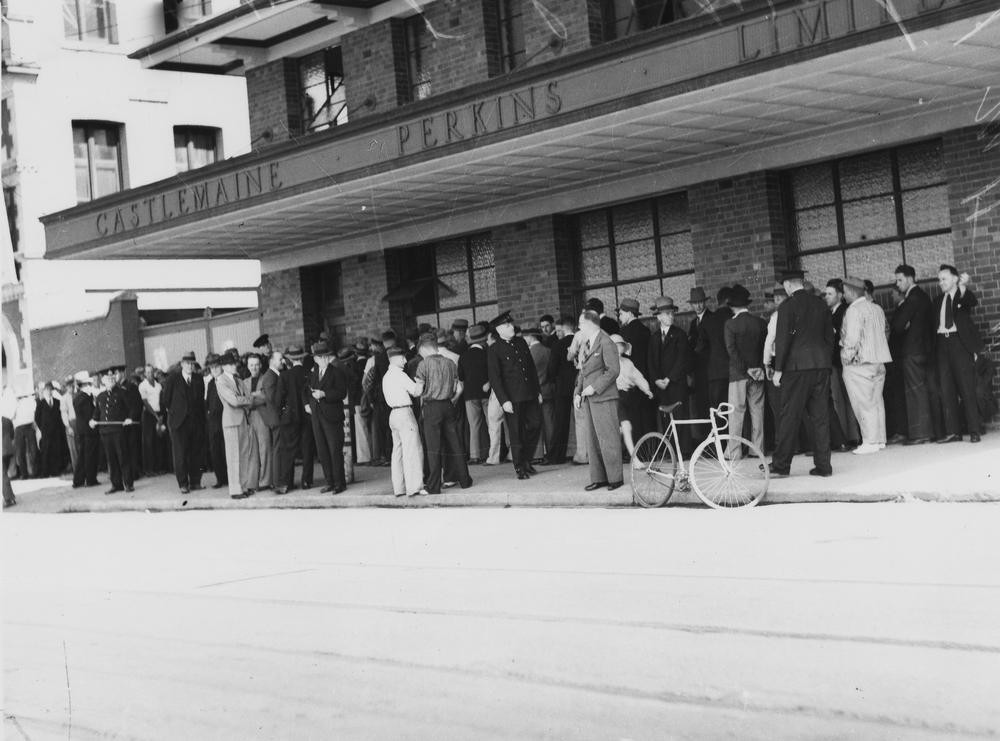



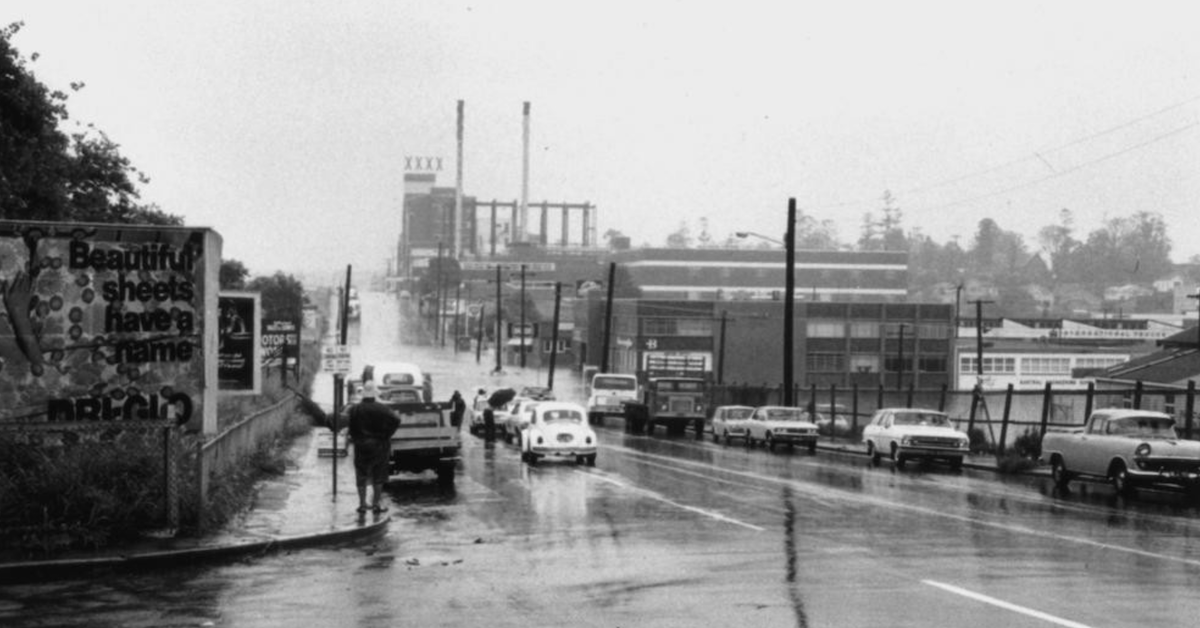
It’s hard to imagine now, but in September 1937, Milton found itself at the heart of a story that captivated all of Brisbane. For weeks, headlines weren’t dominated by international events, but by a single local question: how long would the beer last?
The answer, it turned out, depended on what was happening inside the Castlemaine Perkins brewery.

A strike that stayed put
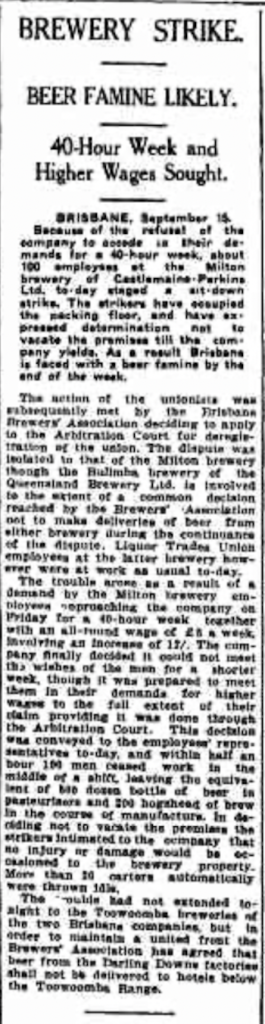
On 15 September 1937, around 100 brewery workers took an unusual step.
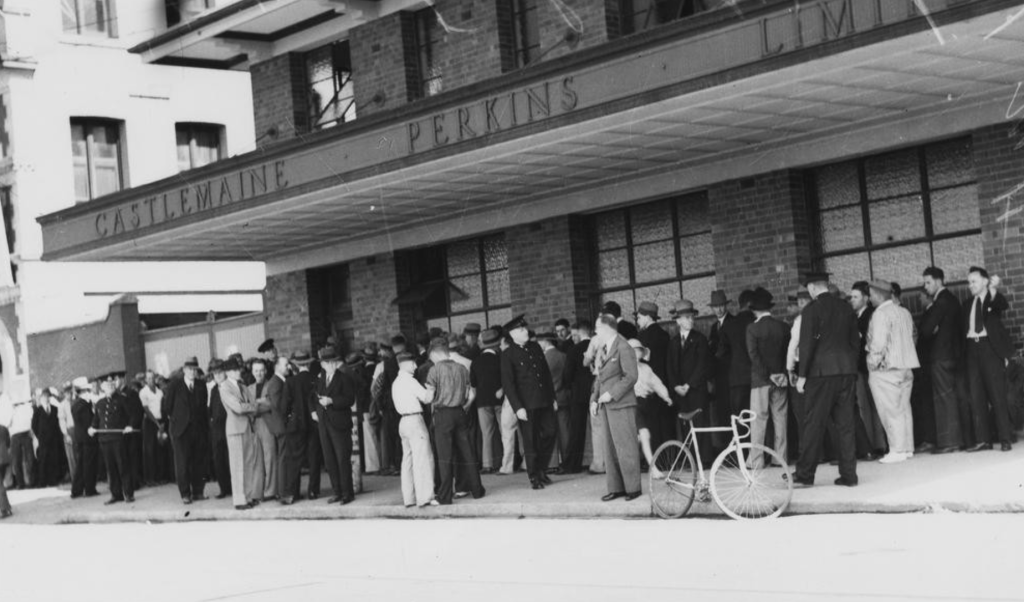
Photo Credit: State Library of Queensland
Instead of walking out, they staged a “stay-in” strike and occupied the Milton brewery by refusing to leave until their demands were met. They were pushing for what now seems basic: a 40-hour working week, better wages, and limits on overtime. What made this strike remarkable was what happened next.

Inside the brewery, the workers created a temporary community. They slept on makeshift bedding fashioned from bags and straw, set up cooking areas, and organised their days with exercise, games, and shared routines.

And despite being surrounded by thousands of bottles of beer, they reportedly chose not to drink it. Instead, they drank milk and other supplies brought in from outside.
Families, friends, and supporters gathered at the brewery gates, bringing food, clothing, and news from home. Donations of books, newspapers, and even a radio helped the men stay connected to the outside world.
For a time, the brewery floor became something closer to a village than a workplace.



Milton in the spotlight
As the strike continued, its effects spread far beyond the brewery walls.
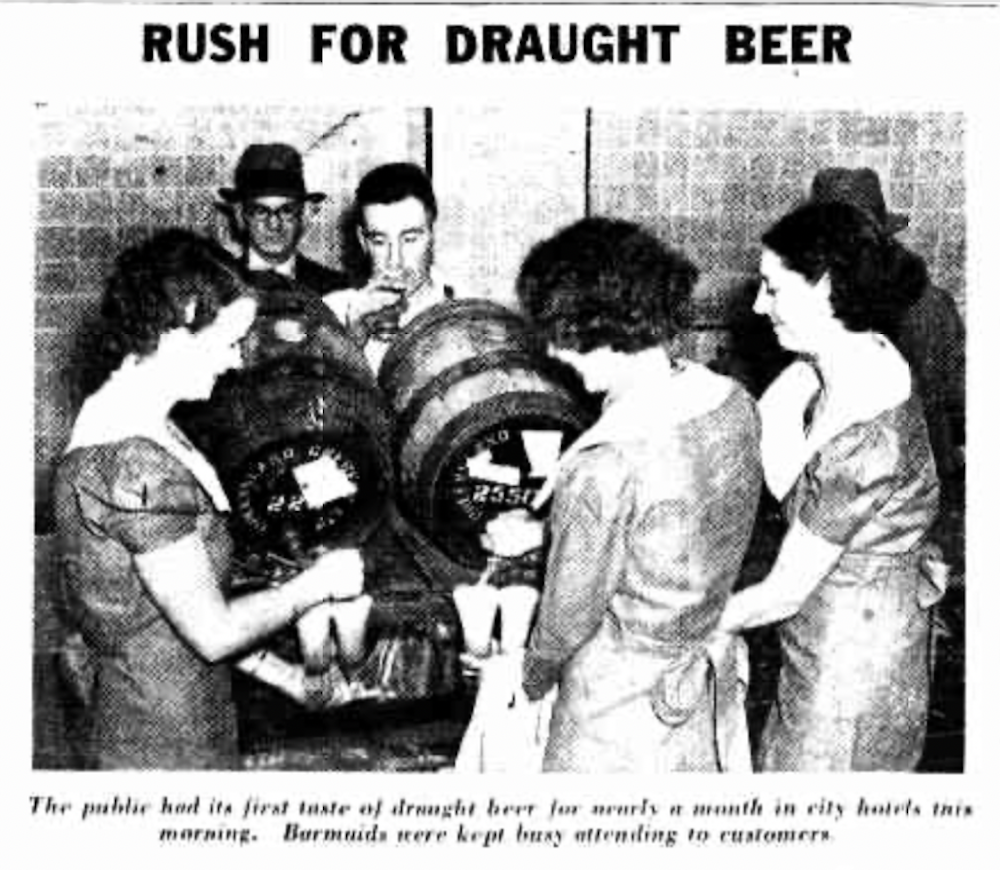
Hotels across Brisbane began running out of draught beer within days. Bottled supplies were rationed. Before long, what newspapers dubbed a “beer famine” had taken hold.
Milton, usually a quiet industrial suburb, was in the headlines. Visitors streamed in. Some came to support the workers, others were simply curious about the standoff that was affecting pubs across the city.
Eviction — and a new camp nearby
The turning point came just over a week into the strike. On 24 September, police and brewery officials moved in and evicted the workers from the site. The occupation ended quietly, but the dispute did not.
Instead of dispersing, the men regrouped nearby. With the help of a local landowner, they set up a camp under a marquee in Milton. The site became known as “Hill 60.”
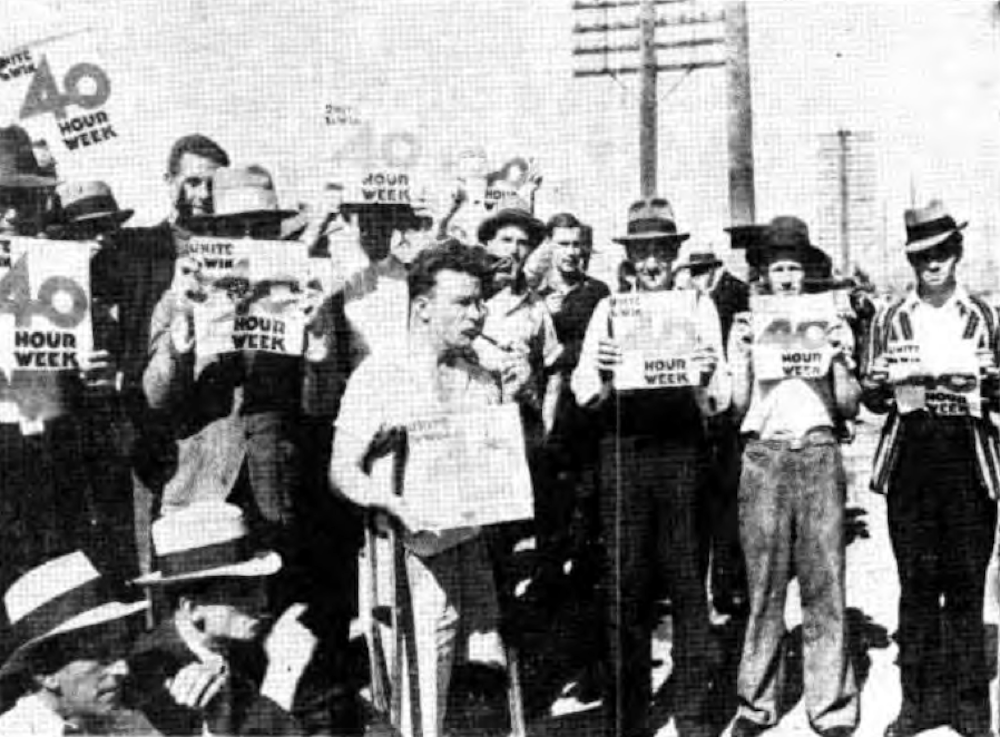
The name “Hill 60” comes from military slang during World War I. It referred to a well-known and hard-fought position on the Western Front. In the 1930s, Australians widely recognised the name because many men experienced the war. “Hill 60” became a way to describe a difficult and strategically important place.
From this spot, the Milton workers continued their protest, maintaining picket lines and holding firm to their demands. The dispute stretched on, with breweries bringing in non-union labour and interstate beer to restore supply.
Beer returns & the bigger outcome
By mid-October, draught beer began flowing again in Brisbane hotels, ending the city’s month-long shortage. Soon after, the strike came to an end. The workers packed up their camp and the dispute was called off.
But some workers were left without jobs, and union leaders later acknowledged mistakes in how the strike had been handled.
The central demand of the strike — a 40-hour working week — would be introduced nationally just over a decade later. What the Milton workers fought for in 1937 eventually became standard.
Today, little remains to mark the events that once drew crowds to the brewery gates and put Milton at the centre of Brisbane life. But for one extraordinary month, this suburb was more than just a place of industry. It was a stage for determination, community support, and a dispute that captured the attention of an entire city.
Published 19-March-2026